|
Getting your Trinity Audio player ready...
|
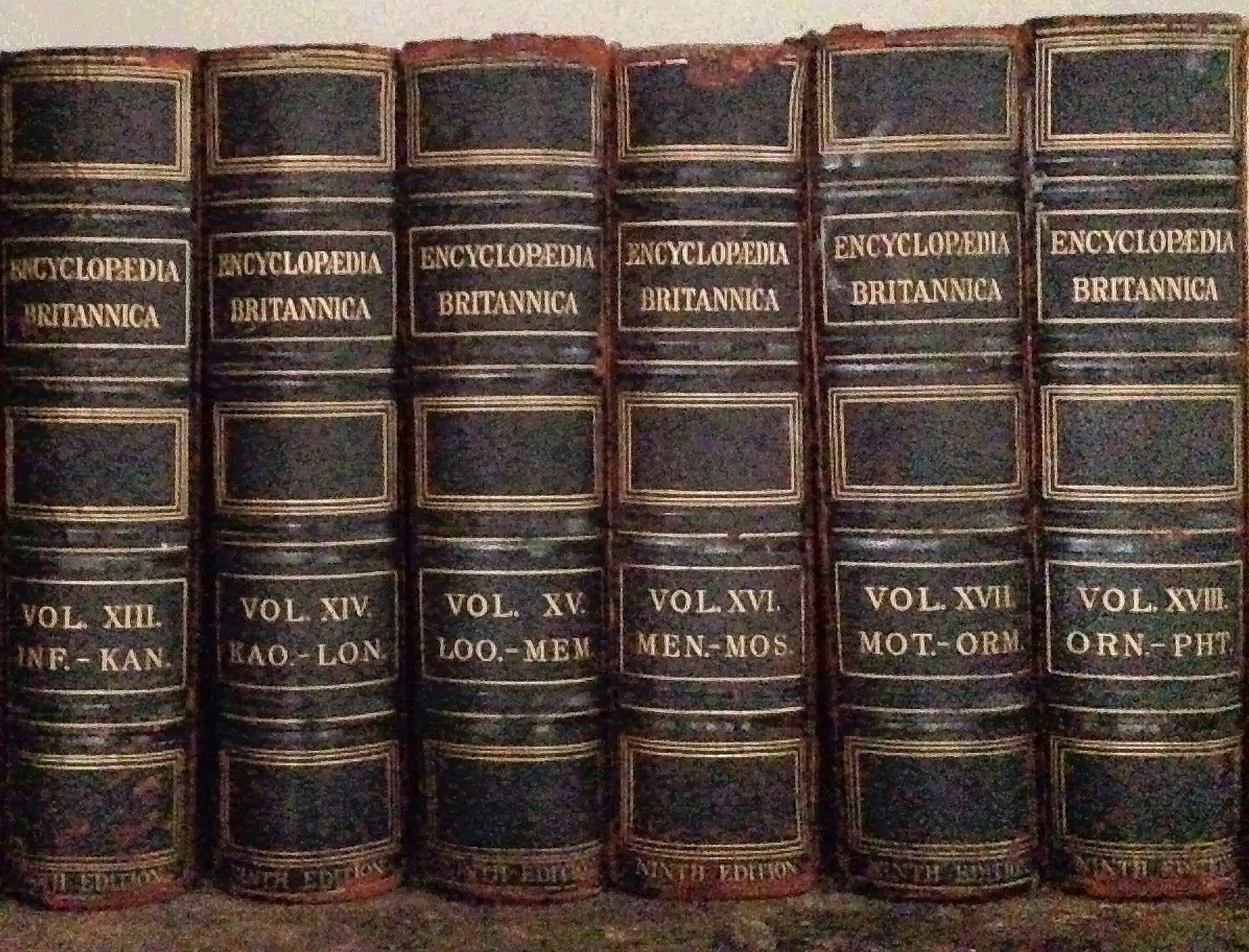
Encyclopedia Britannica revised multiple entries on its Britannica Kids platform on Sunday following a formal complaint over content that removed the State of Israel from maps and obscured Jewish historical ties to the region.
The revisions came after Encyclopedia Britannica received a complaint from UK Lawyers for Israel about the problematic materials that applied the term “Palestine” across vast historical periods — including the modern era — without distinction. According to the complaint, that framing ignored the existence of the State of Israel and reshaped Jewish history in ways that misled young readers.
Encyclopaedia Britannica has made a series of amendments to its Britannica Kids website following a complaint from @UKLFI concerning historically inaccurate and misleading descriptions relating to Israel, Palestine and Judaism. Read more: https://t.co/8iy9wRApCo
— UK Lawyers For Israel (@UKLFI) February 1, 2026
What Was Changed
On Sunday, Britannica amended children’s entries related to Palestine, Israel, and Judaism. One notable correction involved the Palestine (Kids) page, which no longer describes the entire territory between the Jordan River and the Mediterranean Sea as present-day “Palestine.”
The publisher also updated maps that previously displayed Israel and Palestinian-administered areas as a single, unlabeled entity marked “Palestine.” UK Lawyers for Israel argued that the earlier visuals effectively erased Israel by omission.
In addition, the Israel (Kids) entry was rewritten. It had previously situated Israel within a generalized region called “Palestine,” even when discussing contemporary history. The revised version now distinguishes between historical periods and explains the political formation of the modern State of Israel.
Educational materials for children shape first impressions of history long before students are exposed to complexity or debate. When terminology and maps flatten distinctions or erase identities, the impact is lasting. Accuracy at this stage is not a preference — it is an obligation.
Encyclopaedia Britannica revised its Britannica Kids content after maps and entries erased Israel from geography and history.
Archived versions labeled the entire area between the Jordan River and the Mediterranean Sea as “Palestine,” including modern periods, while Jewish… pic.twitter.com/sHe3m1EQD9
— Combat Antisemitism Movement (@CombatASemitism) February 2, 2026
Why Historical Precision Matters in Children’s Education
UK Lawyers for Israel emphasized that applying the label “Palestine” to eras that predated the term created a false narrative of continuity. That approach, the group argued, removed Jewish national identity from the historical record.
Earlier Britannica Kids content told children that ancient Jewish kingdoms, biblical events, and the origins of Judaism took place in “Palestine.” In historical terms, those regions were known as Canaan, Judea, Samaria, and the Galilee.
“We welcome the fact that Encyclopedia Britannica has reviewed and amended aspects of its children’s content following our letter,” said UK Lawyers for Israel Director Caroline Turner. “Educational resources for children carry a particular responsibility to be historically accurate and carefully framed, especially on highly politicized subjects. Terminology matters, and these changes are an important step in preventing young readers from being misled.”
Government and Diplomatic Reactions
Israel’s Foreign Ministry responded publicly to the corrections, writing: “Facts made a comeback. Encyclopedia Britannica walked it back. To be honest, a rather pathetic failure by some ideologically driven employee.”
The Israeli Embassy in the UK also welcomed the removal of the map, saying it had “presented a distorted version of reality to children” and was “outrageous[ly] misleading.”
“As an educational resource that presents itself as authoritative, Britannica must ensure rigorous accuracy — especially in material intended for young learners,” the embassy said. While welcoming the changes, it added that corrective action should not have required public pressure.
The episode highlighted the consequences of imprecision in children’s education. When trusted sources blur history, the distortion carries weight far beyond the page. Britannica’s revisions mark a necessary correction — one prompted by scrutiny, but essential nonetheless.
Take Action
CAM has launched Report It — a secure app to report antisemitic incidents anonymously and in real time. Don’t stay silent — download it today on the Apple Store or Google Play. See it. Report it. Stop it. Together, we can fight this hate.