|
Getting your Trinity Audio player ready...
|
The Combat Antisemitism Movement (CAM) marked Martin Luther King Jr. Day on Monday with a focus on education and dialogue — beginning with a family-centered program in Maryland and extending to a broader public commemoration highlighting the historic Black-Jewish alliance in the Civil Rights Movement.
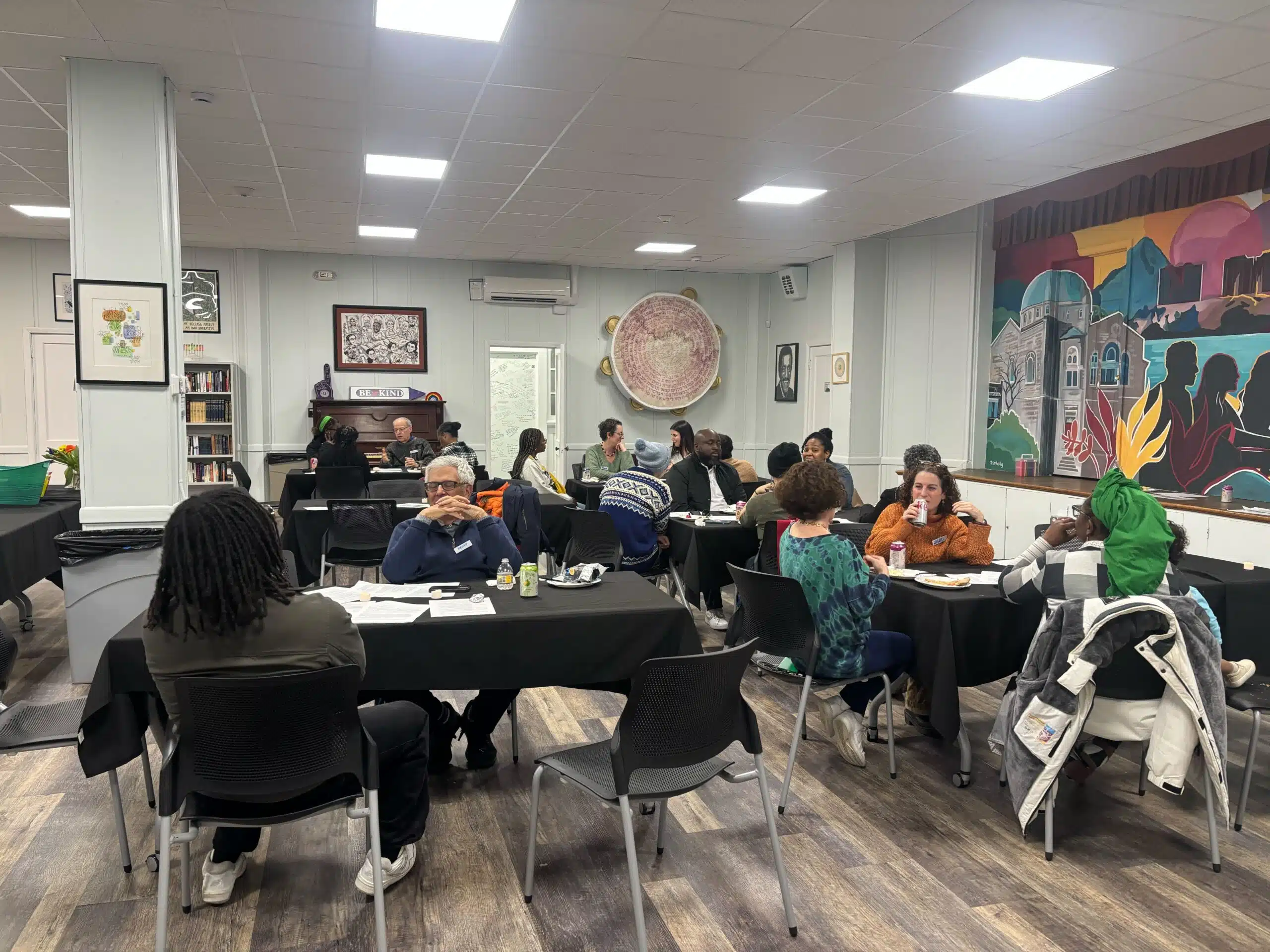
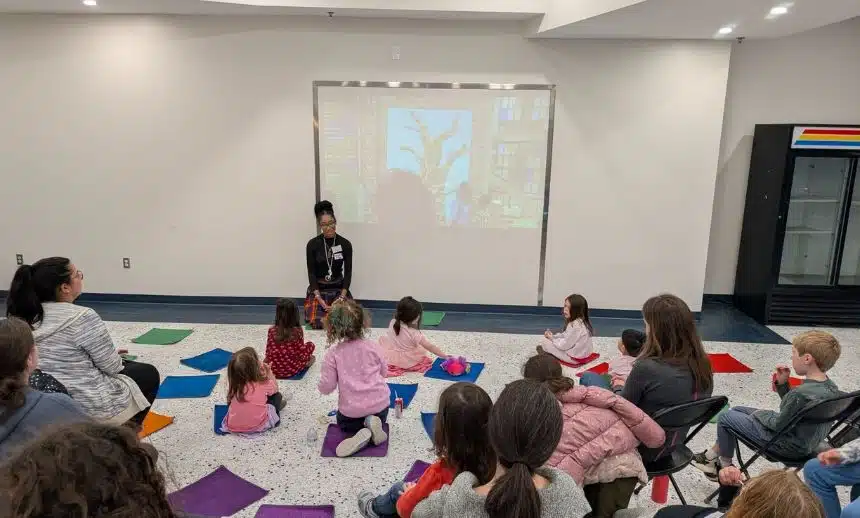
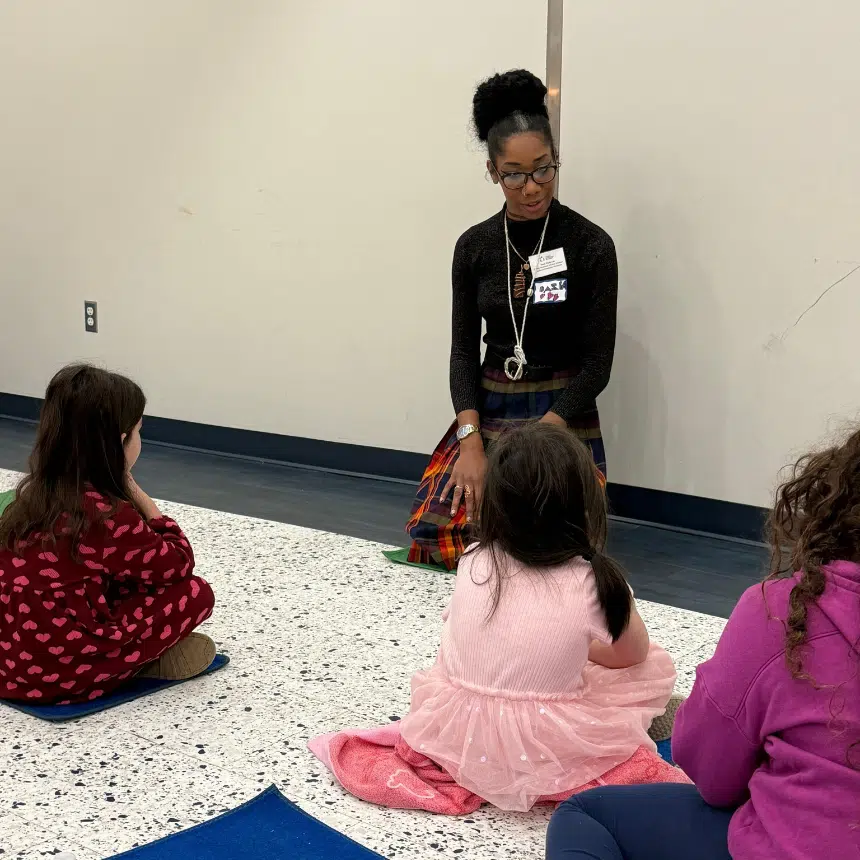
CAM African-American Alliance Manager Dazia Wallerson participated in “MLK Day with PJ Library & PJ Our Way,” a morning program at the Rosenbloom Owings Mills JCC near Baltimore.
The event — hosted by the Jewish Connection Network in partnership with PJ Library and PJ Our Way — brought together families with children for a experience designed to help young people engage meaningfully with Dr. King’s legacy. The program reflected a clear understanding that values-based education must begin early, when ideas about justice, responsibility, and human dignity first take shape.
Teaching Values Through Jewish Ethics and King’s Vision
After the morning opened with a reading of the children’s book Change Sings, Wallerson co-facilitated a discussion alongside Lindsay Gaister Montague, Senior Associate of Family Experiences at the Jewish Connection Network, focused on core values such as courage, kindness, fairness, and standing up for what is right — even in the presence of fear.
The conversation connected Dr. King’s teachings with Jewish ethical principles, including “tikkun olam” (“repairing the world”), mutual responsibility, “dor l’dor” (“generation to generation”), and the inherent dignity of every human being.
As part of the program, families watched a short Sesame Street video illustrating Dr. King’s values, which served as a shared anchor for discussion. Children then participated in a hands-on art activity, expressing which values mattered most to them and how they saw those values reflected in their own lives.
“This program creates space to talk with kids about what it really means to show up for one another in real, actionable ways,” Wallerson said. “Dr. King didn’t just challenge systemic injustice — he asked us to look inward and consider how each of us can be a force for understanding, compassion, care, and courage in everyday life.”
From Local Engagement to a Broader Message
Alongside this in-person program, CAM also honored MLK Day — held annually on the third Monday in January, near King’s birthday — through a series of educational social media posts highlighting the longstanding Black-Jewish ties in the United States.
The posts underscored that Dr. King did not lead the Civil Rights Movement alone. Jewish leaders, students, rabbis, and activists marched beside him, spoke alongside him, and worked on the ground to confront segregation, violence, and hate.
Figures such as Rabbi Abraham Joshua Heschel, who marched with Dr. King in Selma, Alabama, in 1965, and Rabbi Joachim Prinz, who spoke at the March on Washington in 1963, exemplified a moral alliance rooted in shared history and vision.
The posts also emphasized Dr. King’s clear rejection of antisemitism and his warning that hatred against Jews endangered all minorities — an understanding that remains deeply relevant today. They highlighted the real risks taken by Jewish civil rights workers, including the KKK murders of Andrew Goodman and Michael Schwerner in Mississippi during 1964’s Freedom Summer.
Carrying the Legacy Forward
Together, CAM’s MLK Day activities reflected a consistent message that honoring Dr. King meant more than remembrance, and required education, engagement, and a continued commitment to confronting racism, antisemitism, and all forms of hate.
By investing in education and reaffirming the historic bonds between the Black and Jewish communities, CAM emphasized that Dr. King’s vision of justice and shared responsibility is not confined to history. It is a legacy that calls on each generation to keep walking forward — together.