|
Getting your Trinity Audio player ready...
|
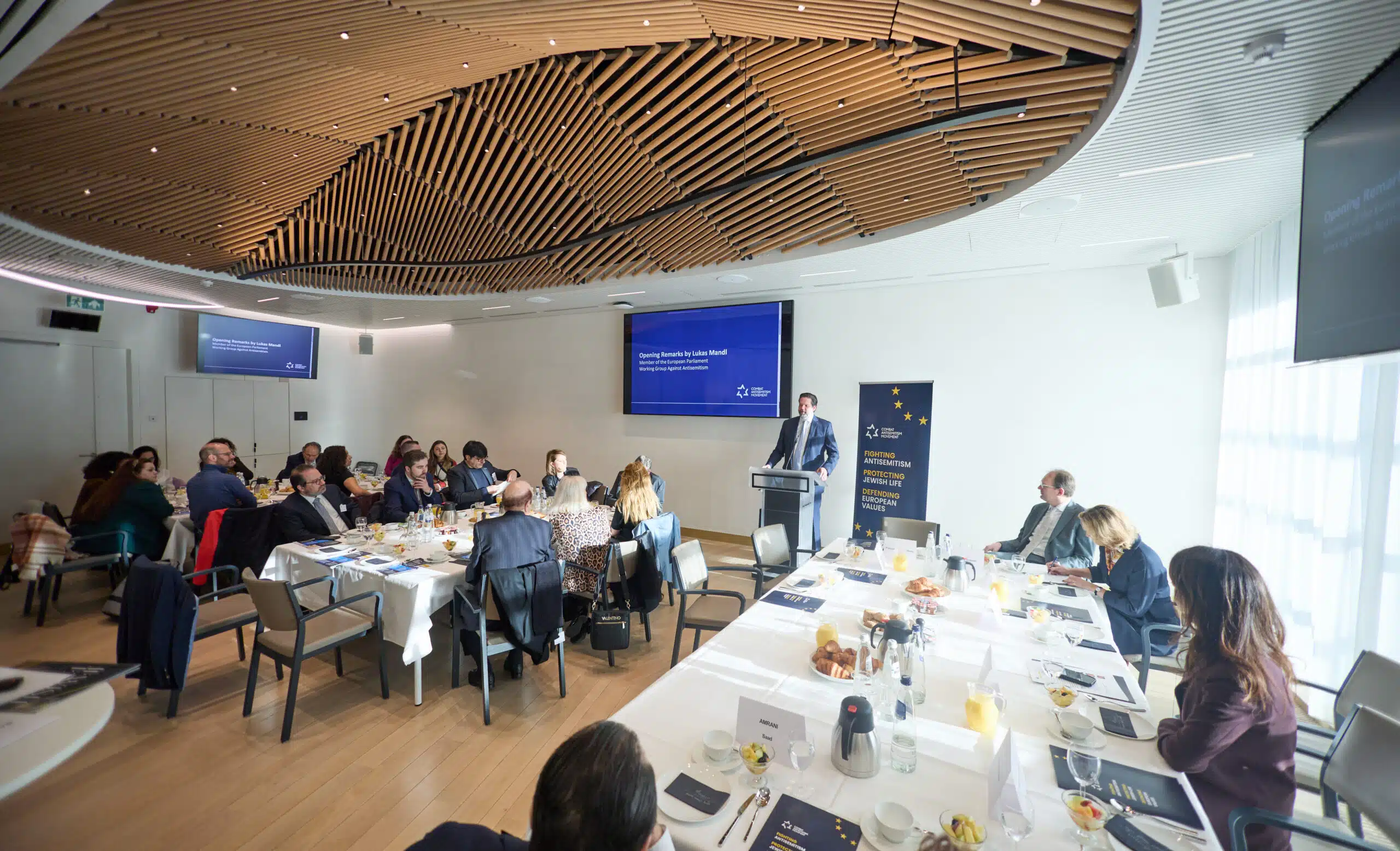
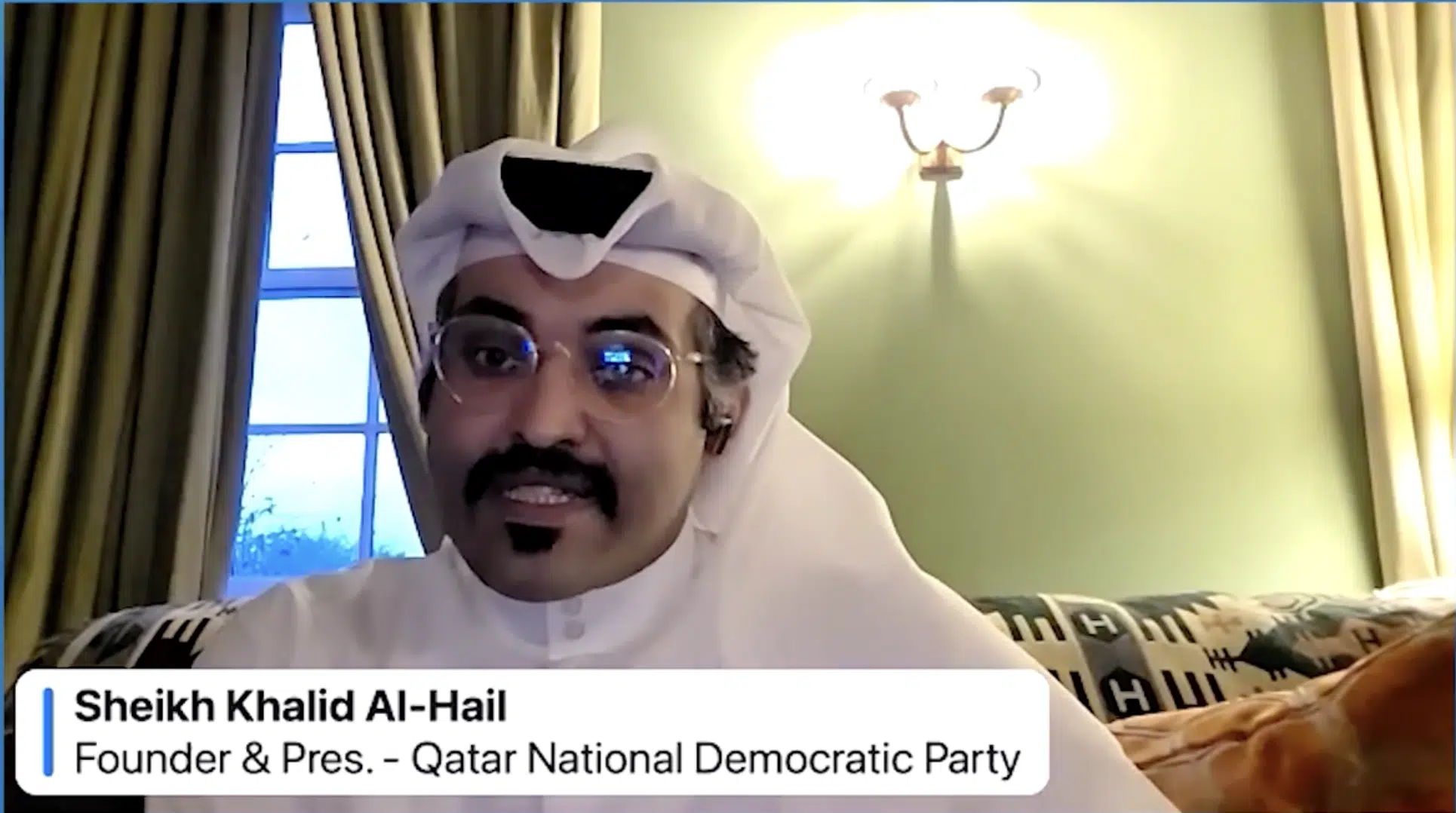
In a special briefing hosted by the Combat Antisemitism Movement (CAM) last week, Sheikh Khalid Al-Hail — founder and president of the Qatar National Democratic Party (QNDP) — delivered a forceful critique of Qatari regime’s global influence, arguing that Doha has converted its immense wealth into a strategic tool for shaping ideology, policy, and public opinion far beyond the Gulf region.
Al-Hail, a businessman who lives in exile in London, described a sophisticated effort by Qatar to leverage financial power to cultivate long-term influence across Western universities, media platforms, and political ecosystems. According to Al-Hail, these investments formed part of a broader campaign to embed narratives aligned with the Muslim Brotherhood’s worldview and to expand Qatar’s geopolitical reach.
Watch the full briefing HERE:
He then turned to Qatar’s relationship with Hamas and its self-appointed role as mediator following the October 7th massacre in Israel. Al-Hail argued that Qatar’s ability to position itself as an intermediary stems from its longstanding ties to Hamas leadership, headquartered in Doha. He contended that this dual posture — patron and negotiator — raised serious strategic questions for policymakers evaluating Qatar’s role in regional stability. Mediation, he argued, could not be separated from the political infrastructure that hosts and sustains Hamas leaders.
The briefing also examined Qatar’s use of media and financial networks to shape global discourse, including through the Doha-based Al Jazeera network and university-linked initiatives.
Al-Hail warned that concealed funding channels, proxy networks, and ideological partnerships enabled the Qatari regime to amplify narratives that destabilize allies while shielding itself from accountability. He called for stronger transparency, financial oversight, and coordinated international action to counter what he described as a sustained campaign of ideological influence.
The conversation underscored a central post-October 7 reality — influence campaigns and narrative battles are no longer peripheral issues but central fronts in the struggle for global security and democratic resilience.