|
Getting your Trinity Audio player ready...
|
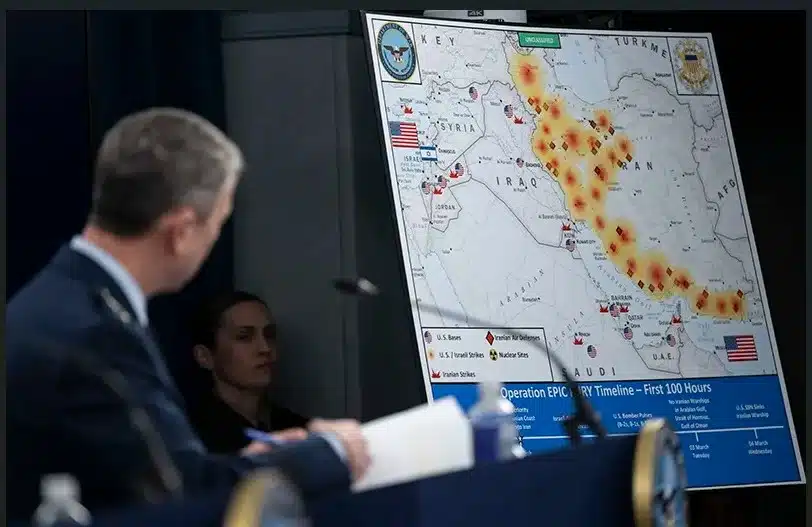
The Combat Antisemitism Movement (CAM) hosted an urgent online briefing on Wednesday examining the rapidly unfolding war following the launch of a joint U.S.-Israel military strikes against the Tehran regime last weekend, including the killing of Iranian Supreme Leader Ayatollah Ali Khamenei.
The briefing, titled “War in the Middle East: Khamenei’s Death and the Future of Freedom in Iran,” featured Lt. Col. Sarit Zehavi (Ret.), founder and president of the Alma Research and Education Center and former IDF intelligence officer, and Sarah Raviani, an Iranian-American communications strategist and anti-regime opposition voice.
The discussion was moderated by CAM Director of European Affairs Shannon Seban.
Watch the full briefing HERE:
“I do believe that it is a regional conflict, but it has global implications,” Zehavi said.
She noted that the Tehran regime had spent decades building a network of armed proxies across the Middle East, enabling it to exert influence far beyond Iran’s borders.
At the same time, the war could reshape regional alliances. Countries that have faced Iranian retaliation may find new incentives to deepen cooperation with Israel. “There is a huge opportunity here,” Zehavi said, expressing hope that shared security interests could strengthen partnerships between Israel and Gulf states.
Raviani focused on developments inside Iran. “When the regime in Iran is under attack, it lashes out at its citizens,” she said.
Yet many Iranians, she argued, remained determined to challenge the regime. “Hope is still alive,” Raviani said. “The Iranian people are a very resilient people and they will never stop fighting for their freedom.”
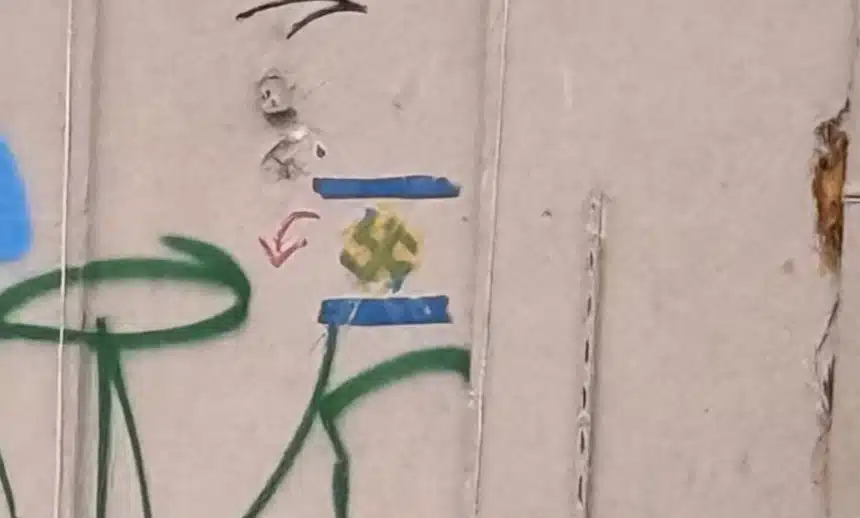
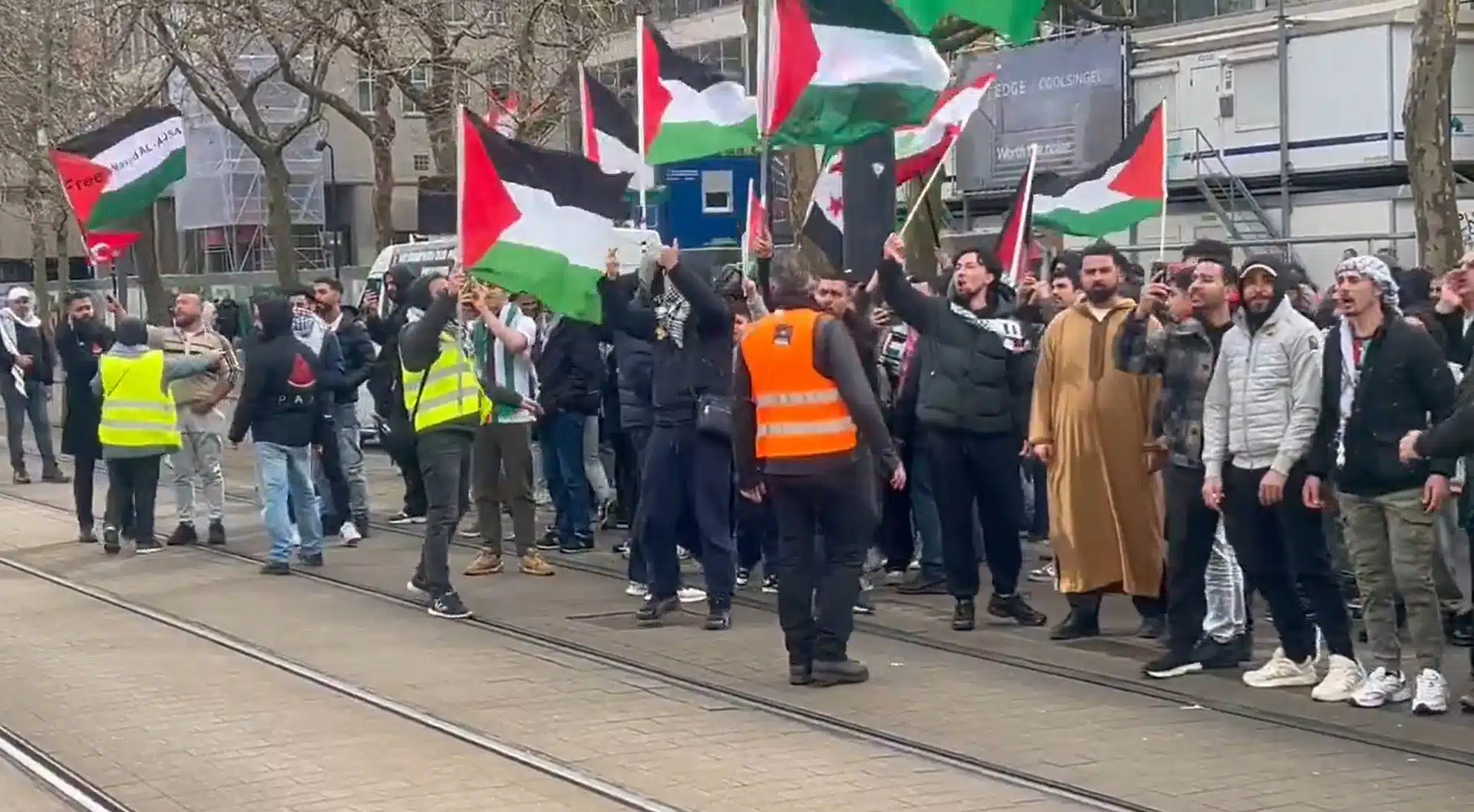
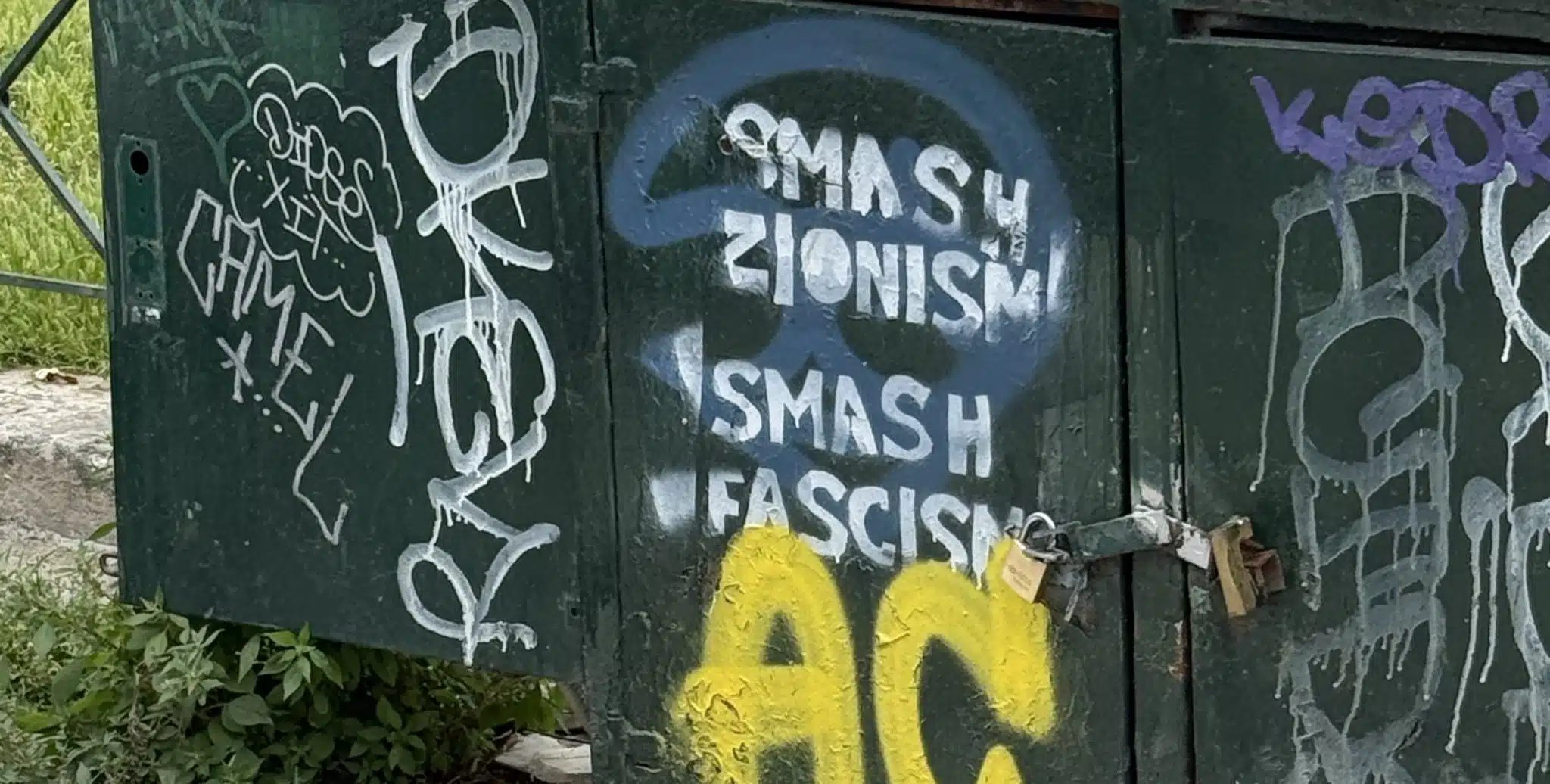
The briefing also examined the surge in antisemitic narratives surrounding the conflict. Both speakers warned that crises involving Israel were frequently used to spread antisemitic conspiracy theories and foment violence targeting Jewish communities worldwide, including via online campaigns orchestrated by propaganda outlets, social media accounts, and bots linked to the Tehran regime.