When the worst antisemitic attack in Australia’s history struck Bondi Beach in December, on the first night of Hanukkah, it shattered the sense of security long associated with one of the country’s most iconic coastal locales.
The violence placed Waverley, a Sydney suburb home to the largest Jewish population in New South Wales, at the center of a national reckoning over antisemitism and the safety of Jewish life in Australia.
In an interview with the Combat Antisemitism Movement, Waverley Mayor Will Nemesh discussed the warning signs that preceded the attack, how the community responded in its aftermath, and what must change to ensure such a tragedy never happens again.
Between the October 7 Hamas massacre and the Bondi Beach attack more than two years later, warning signs appeared across Australia, including the Harbour Bridge march, protests outside the Sydney Opera House, and a surge in antisemitic incidents nationwide. In hindsight, what should deterrence have looked like before violence occurred?
Nemesh said the warning signs were visible almost immediately after the October 7 attacks. “In Australia, really from October 9, there were protests that were widely televised on the steps of the Opera House where some disgusting chants were made,” he said. “From that point onward, we saw an alarming increase in antisemitism.”
“There were some, like myself, who were sounding the alarm that antisemitism was increasing and that stronger action needed to be taken,” he said.
However, he emphasized that effective deterrence required action far beyond local government. “The level of action required intervention at the state and federal level,” Nemesh said.
One example, he noted, was the national strategy proposed by Australia’s Special Envoy for Combating Antisemitism Jillian Segal. “The recommendations had been released, but they were still being considered for an extended period of time rather than adopted,” Nemesh said.
He added that Australia’s Royal Commission on Antisemitism and Social Cohesion would now play a critical role in determining what went wrong. “The Royal Commission will be able to demonstrate what was occurring and what steps needed to be taken,” Nemesh said. “More importantly, it will help determine what must change moving forward.”
After the Bondi attack, Waverley moved quickly to provide funding, trauma support, and memorial initiatives. In those first days, what were you most focused on getting right, and what did you learn about what the Jewish community needed?
“Bondi Beach is known as a place of connection, of community, of love, and of great beauty,” Nemesh said. “And it was desecrated by vile acts of hatred and antisemitism.”
“We were all in shock,” Nemesh recalled. “Bondi and Waverley are very tight-knit communities, and everybody knew somebody who was either a victim, a survivor, or a first responder.”
Large sections of the beachfront remained closed as investigators processed the crime scene and authorities worked to identify victims and assist the wounded.
“The next morning I went down to Bondi Beach, but the whole area around Bondi Park and the pavilion was closed,” Nemesh said. “It was a crime scene, fenced off, and nobody could access it for about a week.”
With their main facilities inaccessible, local officials quickly relocated operations. “We set up a crisis management team, and because the pavilion was a crime scene we moved into Bondi Beach Public School,” he said. “For several days it was just the core leadership team working there, trying to support the community in any way we could.”
During those first days, Nemesh said the council’s priority was ensuring residents, particularly the Jewish community, felt supported and informed. “Our role was to be there for the community, to provide information where we could, and to make clear that we would support them through what was an incredibly difficult time,” he said.
Months after the Bondi attack, how is the community coping? What is the atmosphere in Waverley today?
Nemesh said the emotional toll of the attack remained deeply felt across the municipality. “The community is still devastated,” he said, noting that many residents continued to seek support as they processed the tragedy.
Following the attack, a community recovery hub was established in Bondi providing victim support, legal assistance, and mental health services. “There is still a lot of pain and trauma in the community,” Nemesh said.
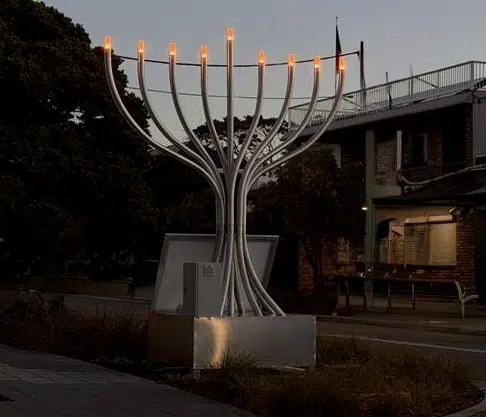
Also, a community space called the Mitzvah House was created near Bondi Beach. “It’s a place where people can come, have a chat, share some food, and just be together,” Nemesh said.
While the community continues to recover, concerns about safety and the broader rise in antisemitism are still deeply present.
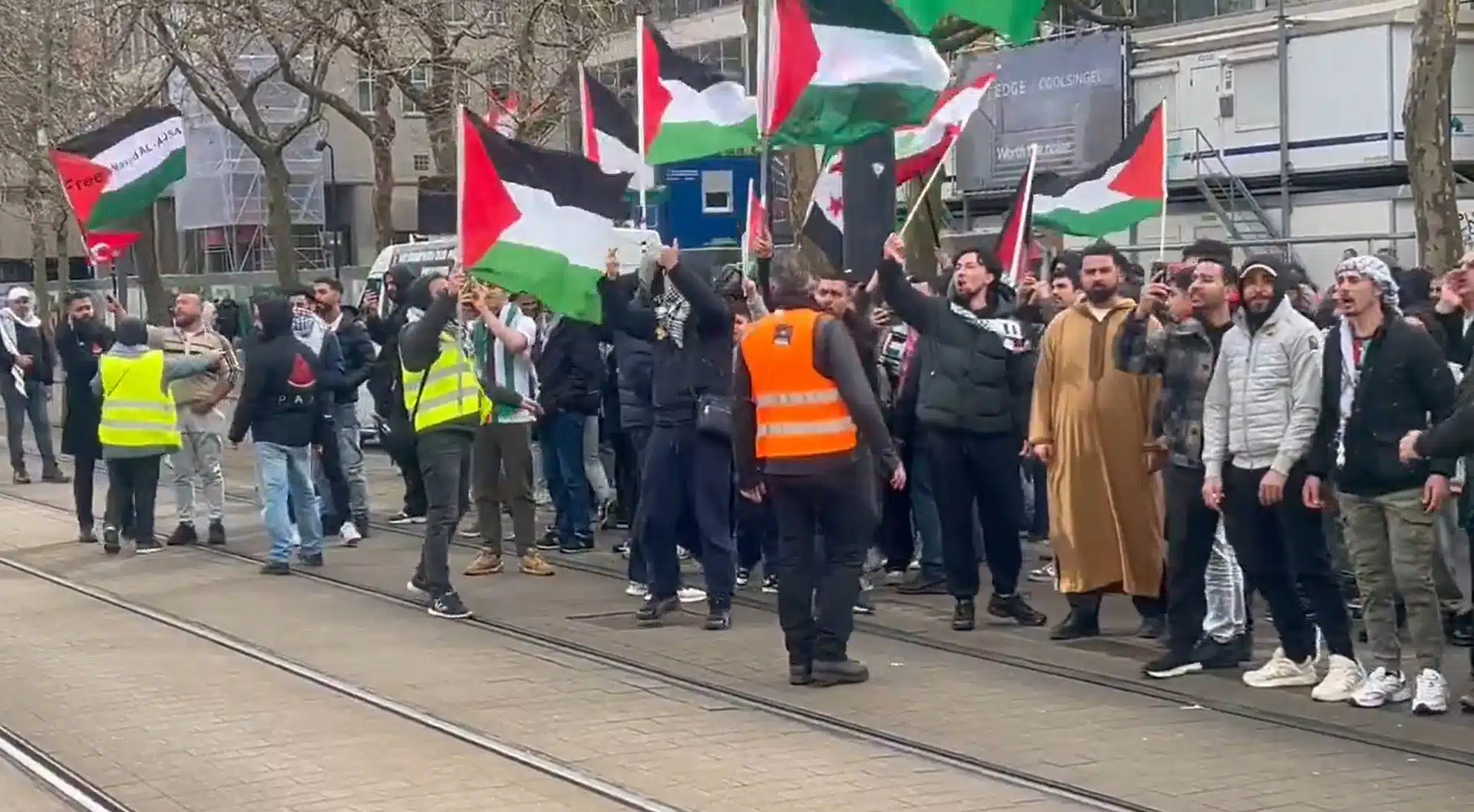
During Israeli President Isaac Herzog’s recent visit to Australia, Jewish attendees at one event were advised to remain indoors due to nearby protests. In the months since the Bondi attack, do Jewish residents feel safe living openly as Jews — and has trust in public institutions been affected?
Nemesh said the surge in antisemitic incidents across Australia following the October 7 attacks created a sense of vulnerability that many Jewish Australians had rarely experienced before. “There had been a significant rise in antisemitism in Australia after October 7, and that was for all to see,” he said.
For decades, Australia had been regarded as one of the safest and most welcoming places for Jewish life, a reputation that made the recent developments particularly jarring. “Australia has been seen as a safe haven — not just for Jews, but really for everyone,” Nemesh said.
“To see that level of hatred being publicly displayed — and often done with a sense of impunity — was deeply disturbing,” he said.
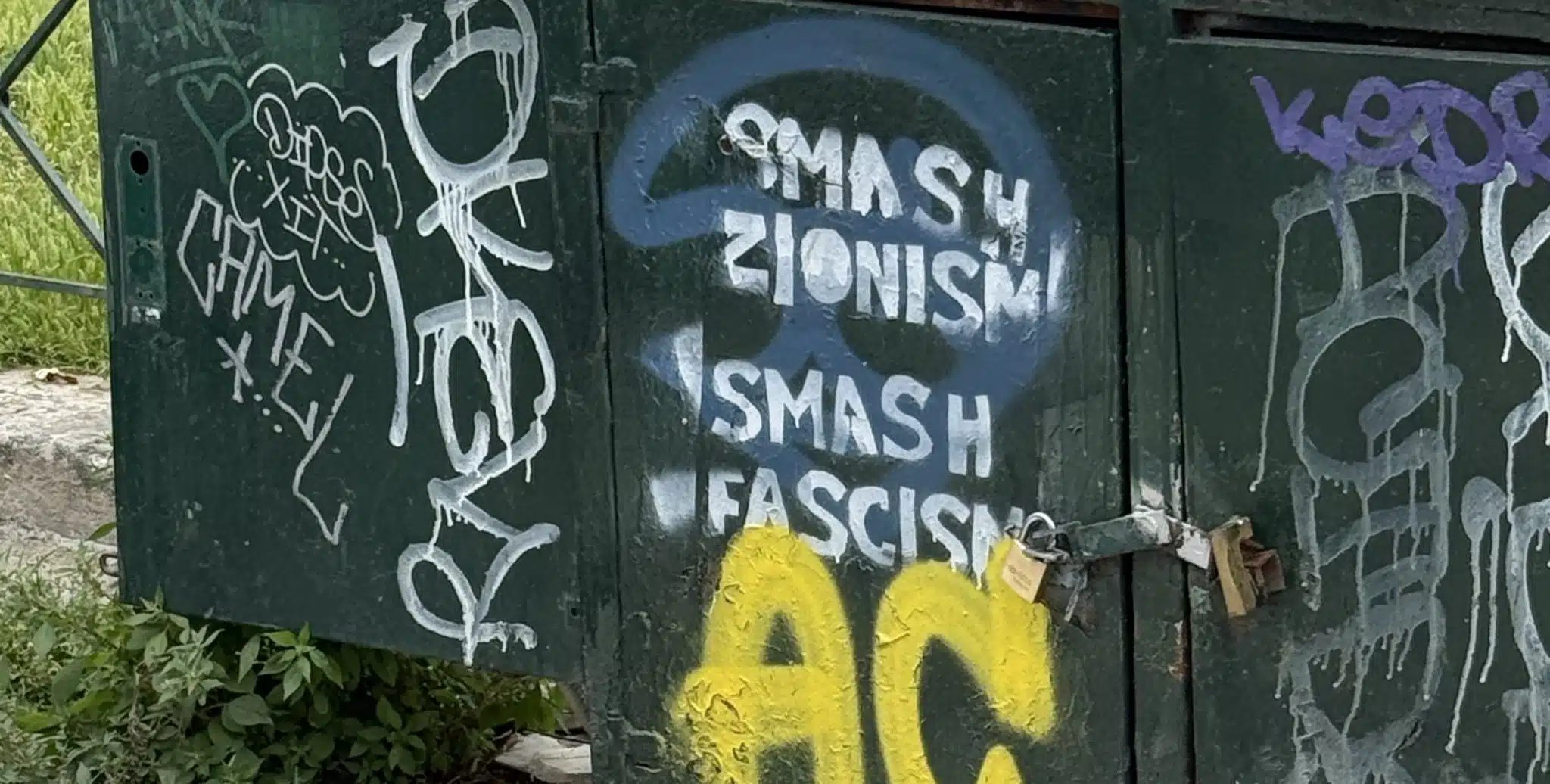
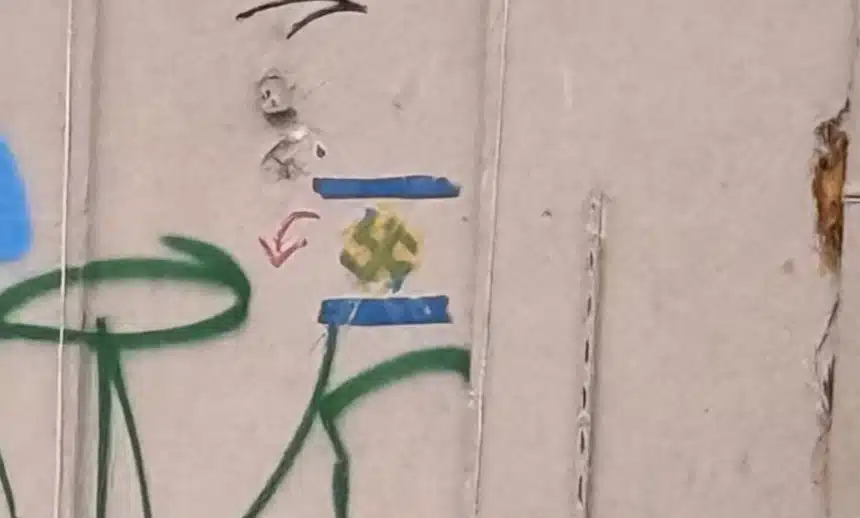
In the months leading up to the Bondi attack, a series of incidents further heightened concerns about safety. “There were graffiti attacks, arson incidents, and other acts of intimidation that were very visible and confronting,” Nemesh noted. “Many members of the Jewish community were feeling vulnerable and, at times, not entirely safe.”
After the attack, authorities moved to strengthen protective measures. The New South Wales government established a specialized rapid-response task force designed to respond to high-risk threats and protect vulnerable communities. “It’s a highly trained, rapid-response unit that can react quickly if necessary, but also proactively protect high-risk events,” Nemesh said.
The state government has also introduced legislation aimed at strengthening hate speech laws and addressing antisemitic rhetoric more directly.
For Nemesh, the objective is ensuring that Jewish residents — and all Australians — can live safely in their communities.
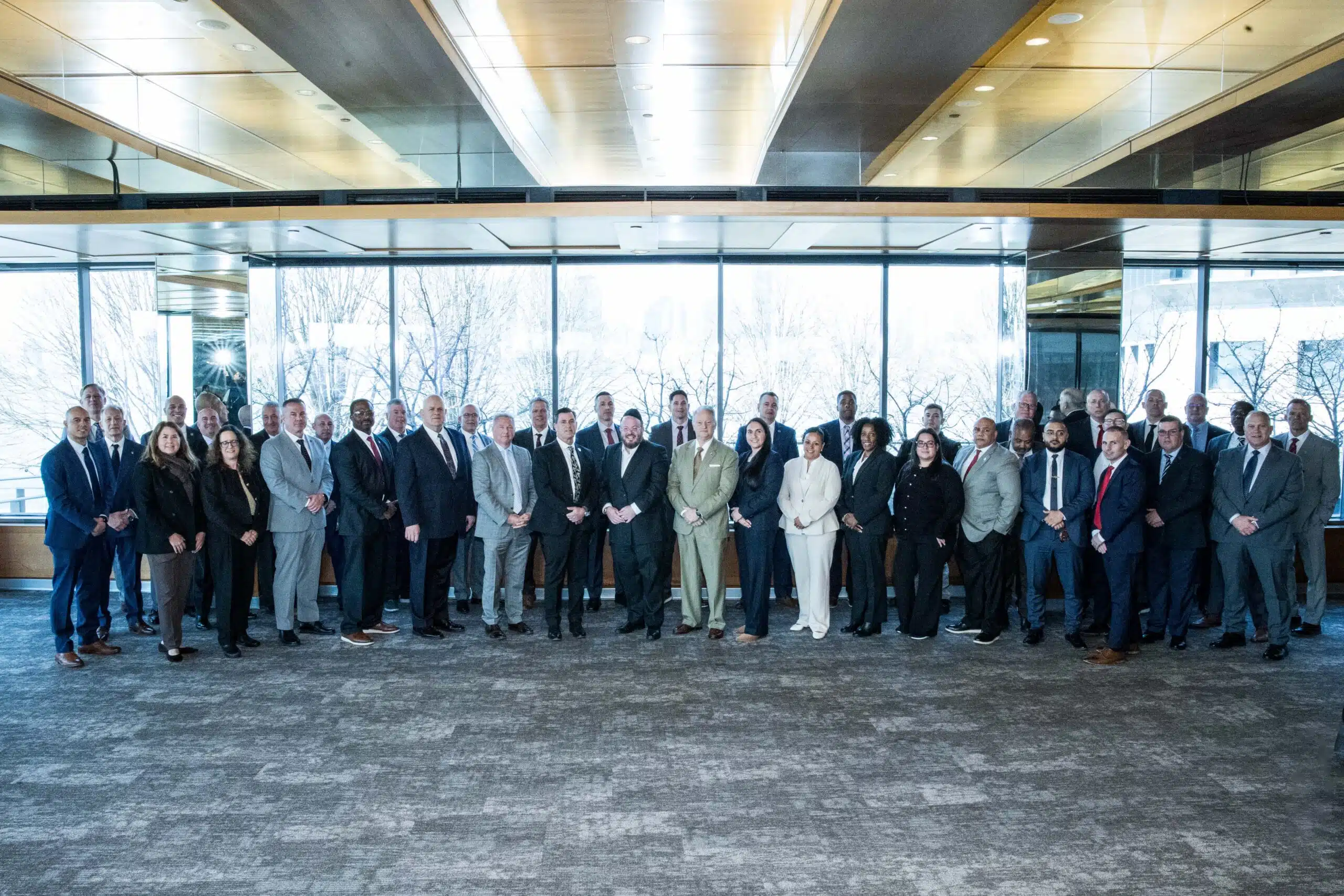
CAM’s mayoral summits bring together local leaders, policymakers, and security experts to address rising antisemitism. From your perspective, do these gatherings translate into practical tools for cities on the ground, or does a significant gap remain between discussion and implementation?
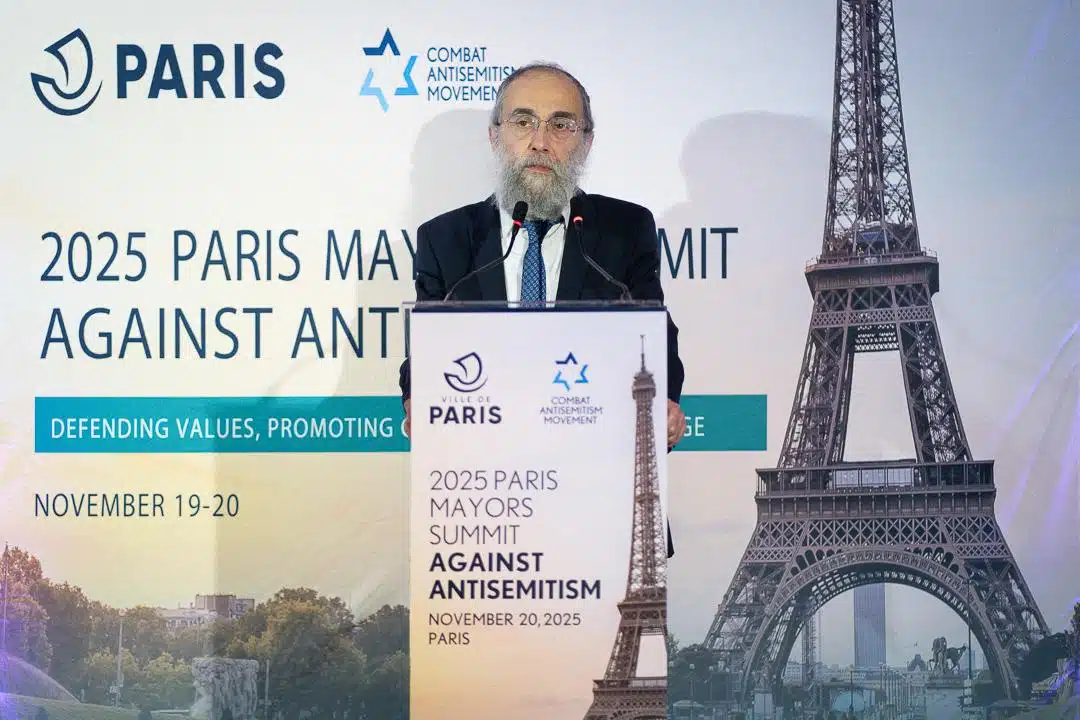
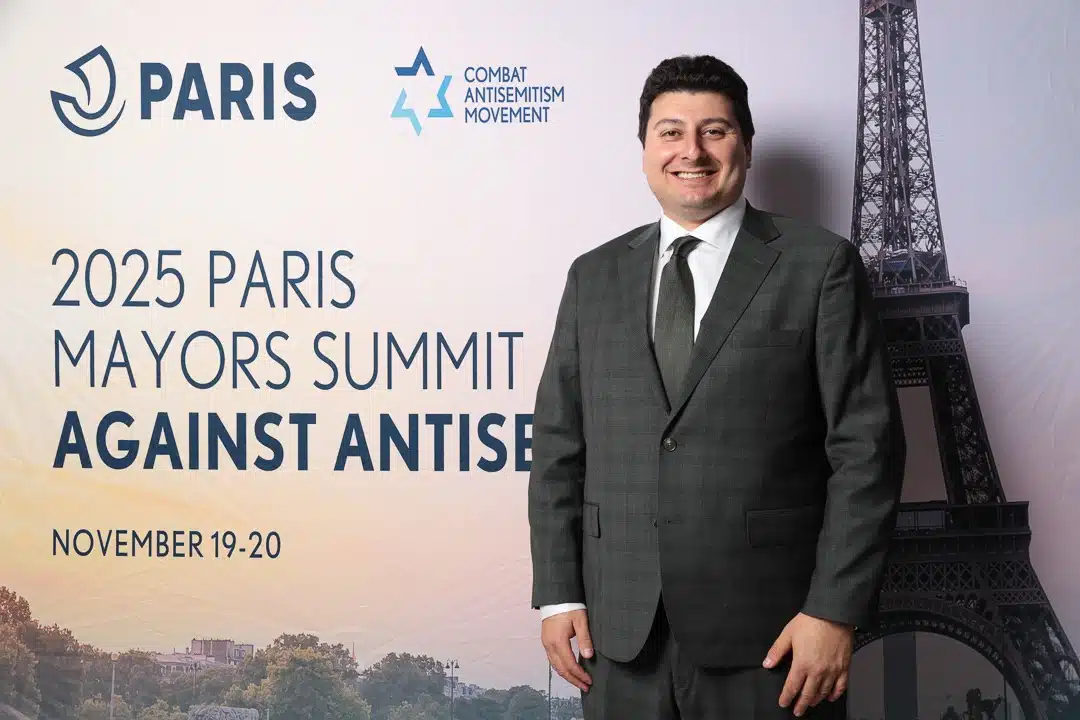
Nemesh, who participated in CAM forums in Gold Coast and Paris last year, said such gatherings were valuable because they bring together leaders confronting similar challenges in their communities. “They are very important because they bring people into the same room from different backgrounds, jurisdictions, and parts of the world,” he said. “But at the end of the day, we’re all dealing with many of the same issues.”
He noted that local governments often have the clearest view of tensions developing within their communities. “Local government is the level of government closest to the people,” Nemesh said. “We have a strong understanding of what’s happening in our communities because of the services and infrastructure we provide.”
According to Nemesh, these forums allow leaders to compare experiences and identify strategies that can be adapted across different cities and countries.
“There are many universal takeaways,” he said. “Whether you’re in the United States, Europe, or Australia, the patterns and challenges are often very similar.”
At the same time, he acknowledged that local governments do not always have the authority or resources to implement large-scale policy changes on their own. “The challenge for local government is that we don’t always have the same legislative powers or resources as state or national governments,” Nemesh said. “So while we may see what needs to be done at the community level, we still depend on higher levels of government for certain actions.”
Australia’s first Royal Commission examining antisemitism is now underway. As that process begins, what outcomes do you believe are most important — and what must it ultimately deliver for communities like Waverley?
Nemesh said the Royal Commission will play a crucial role in examining both the security environment that preceded the Bondi attack and the broader surge in antisemitism across Australia. “The Royal Commission is looking at several different points,” he said, including the security conditions leading up to the December 14 attack and whether gaps in the system allowed the tragedy to occur. “It will also examine the prevalence of antisemitism and whether that played a role in what ultimately happened,” Nemesh added.
At the same time, he noted that the inquiry must carefully navigate the legal complexities surrounding the case. “There is a concurrent criminal investigation, and that cannot be prejudiced,” Nemesh said.
Ultimately, he said, the inquiry must identify what failed — and what must change. “The goal is to understand what happened, where the gaps were, where things worked, and what needs to change moving forward,” he said. “This process is about making sure that something like this can never happen again.”
In the wake of the Bondi attack and amid a broader surge in antisemitic incidents around the world, what message would you share with Jewish Australians — and with Jewish communities globally?
Nemesh said the events leading up to the attack exposed a deeper problem that cannot be ignored. “What we’ve seen over the last period is that there is a fundamental problem that needs to be addressed,” he said.
At the same time, he stressed that confronting antisemitism could not be left solely to Jewish communities themselves. “We cannot tolerate hate, and we cannot be bystanders,” Nemesh said. “People need to be upstanders — whether that’s in schools, universities, workplaces, or in our broader community.”
For Nemesh, the lessons of the Bondi attack extend far beyond a single community. “The attack at Bondi was not just an attack against Jewish people,” he said. “It was an attack against all Australians and against the kind of society we want to be.”