|
Getting your Trinity Audio player ready...
|
The following analysis was authored by Tablet Magazine columnist and CAM editorial advisor Lee Smith:
Israel already has its hands full with the war against Iran and its proxies, while wondering what kind of deal U.S. President Donald Trump might reach with the Tehran regime over its stockpile of enriched uranium and the other remnants of its decimated nuclear program. And now it seems Turkish President Recep Tayyip Erdoğan and his ruling AKP party are threatening a second front against the Jewish state.
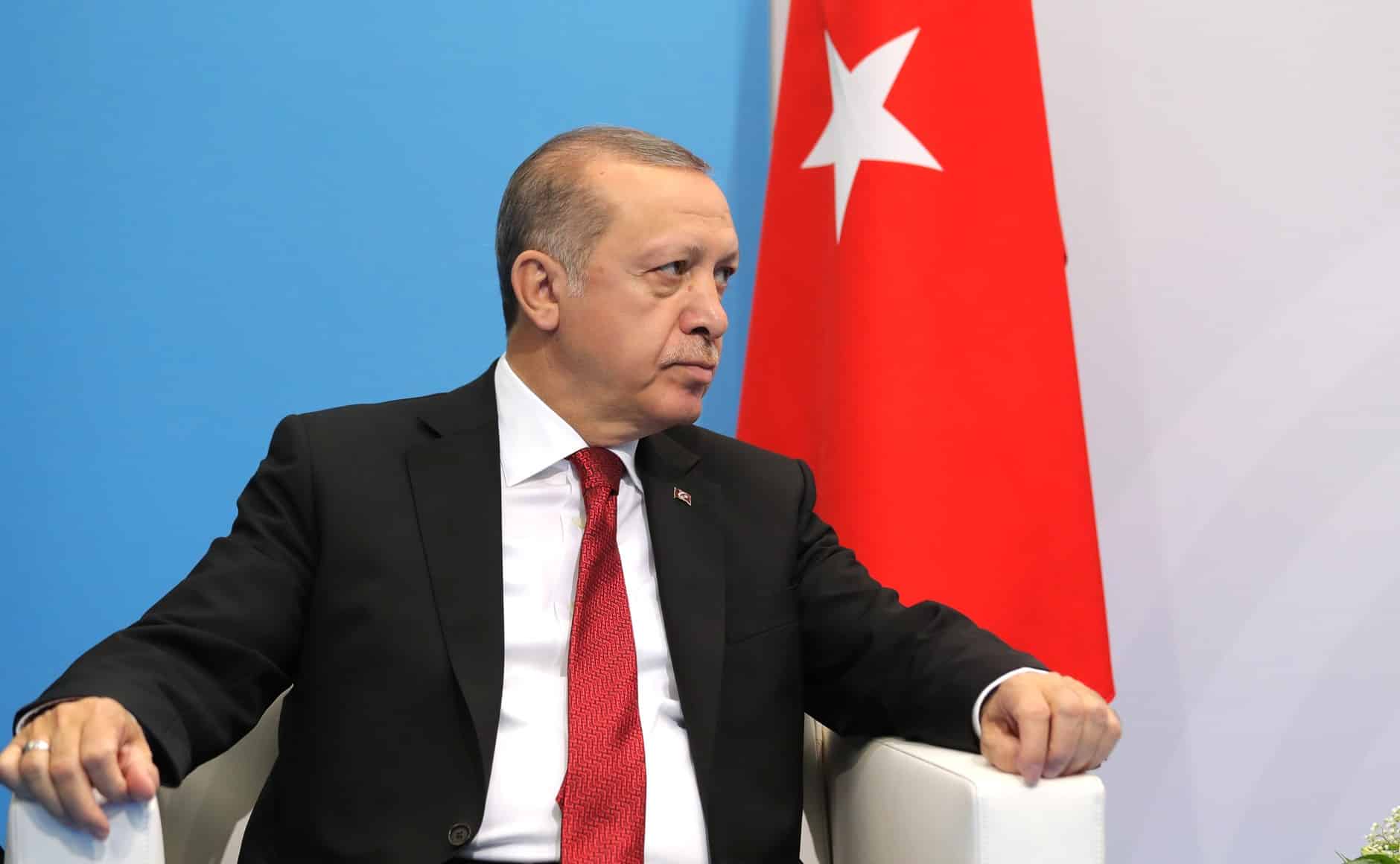
Erdoğan said on Wednesday that Israeli strikes in Syria and Lebanon had reached a point where they also threatened Turkey, adding Israel’s “aggression” posed a global threat that must be stopped. Israeli Prime Minister Benjamin Netanyahu responded by calling Erdoğan an “antisemitic dictator.”
Shortly after the exchange, Trump was asked by a reporter if he was worried about a confrontation between Jerusalem and Ankara. He replied that he hadn’t heard what Erdoğan said about Israel but that he’d make sure that “nothing would happen with Turkey.” Erdoğan, the U.S. president explained, was “a very good friend of mine, and we’ve worked very well together. I like him a lot.”
Naturally, an American president is obliged to tread carefully when publicly discussing the head of a NATO member. And this may be especially the case with a leader as voluble and volatile as Erdoğan. And the fact is that Israel has undermined Turkey’s regional standing. As one Israeli analyst noted, Israel has bombed the bases that Ankara tried to establish in Syria and made alliances with Greece, Cyprus, and Somaliland that worry Turkey.
Perhaps even more importantly, the multi-front war that Netanyahu has directed since October 7th has made Israel the undisputed “strong horse” of the Middle East, able to project power far beyond the eastern Mediterranean basin. Thus, Israel’s rise takes a big bite out of Turkish prestige, tormenting Erdoğan whose default move is to escalate his bellicose rhetoric. What U.S. and Israeli policymakers and researchers are now asking is, how far will Erdoğan go? Is Turkey destined to pick up the banner of “resistance” to confront Israel?
For those who like to hearken back to days of the strategic Israeli-Turkish alliance, it’s worth keeping in mind that this golden age was very brief, lasting only a little more than a decade. Turkey was the first Muslim-majority state to recognize Israel in 1949, largely because Ankara wanted warmer relations with the West and to join NATO, which it did in 1952.
There was some intelligence sharing and security cooperation in the following decades, but the real breakthrough didn’t come until 1996 when Turkey and Israel signed a military training agreement. The pact included joint exercises, intelligence collaboration, counter-terrorism initiatives, defense-industrial projects, and reciprocal high-level visits.
Erdoğan first took office in 2003, but the relationship with Israel didn’t truly start to erode until the 2008-9 Gaza war when Erdoğan, who believes Hamas is not a terror group, condemned Israel’s operation as a “serious crime against humanity.”
In January 2009, Erdoğan made noise at Davos when he ambushed then-Israeli President Shimon Peres. “When it comes to killing,” he said to the veteran Israeli statesman, “you know well how to kill.” The next year, in May 2010, Israeli forces intercepted a Turkish vessel, the Mavi Marmara, as it attempted to breach Israel’s naval blockade of Gaza, and ten Turkish activists were killed in the violent clash than ensued on board. U.S. officials sought to paper over the differences between the two American allies, but for all practical purposes the Israel-Turkey relationship was done.
Some policymakers and regional experts think that the fundamental cause of the break is that Erdoğan’s AKP is an Islamist faction and the alliance with Israel would again flourish if Turkey was ruled by secular factions in the style of Mustafa Kemal Atatürk, founder of the modern Turkish republic.
But this is wishful thinking. The truth is that long before the founding of the Islamic Republic of Iran, Israel’s most determined adversaries were secular nationalist regimes, including Gamal Abdel Nasser’s Egypt, Hafez and then Bashar al-Assad’s Syria, and Saddam Hussein’s Iraq. It’s not surprising then that Turkey’s secular nationalist parties are not only as anti-Israel as the AKP, but equally — and in some cases even more — antisemitic.
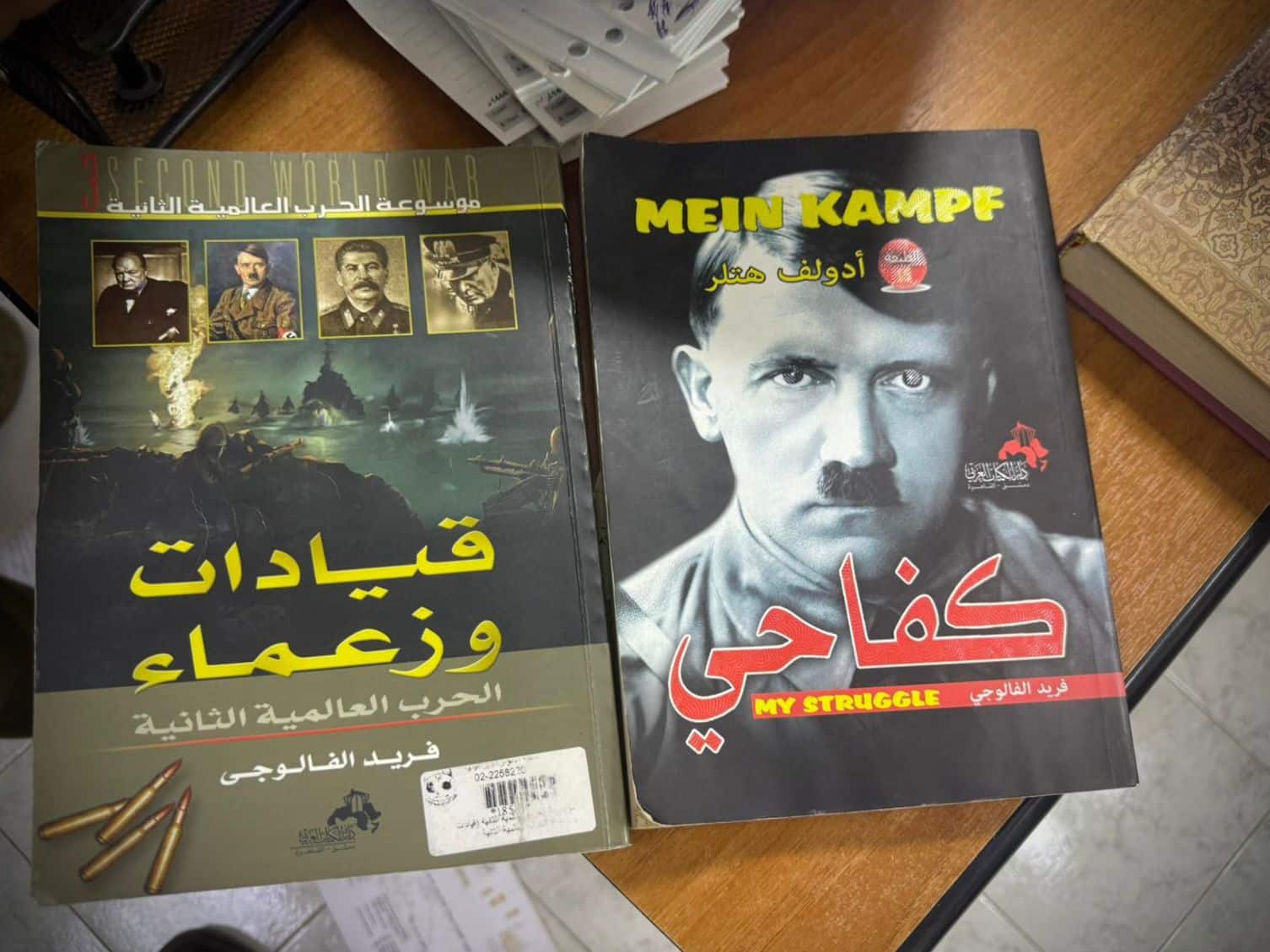
For instance, according to one report, only weeks after the October 7th massacre, one AKP official praised Adolf Hitler in a public forum and expressed his conviction that the “world will only reach peace and serenity once it will be cleaned out of Jews.” Chairing the event was a local leader of the main opposition party, CHP, who praised the AKP representive’s “humane sentiments.” A member of parliament from another secular nationalist party, the IYI (translated as “Good Party”), launched an initiative targeting Turks with Israeli citizenship for the purpose of labeling Turkish Jews as treasonous.
Nor are the Kurds, often covered favorably in Western and Israeli media, exempt from the efforts to ostracize Jews from Turkish society. For example, one Kurdish Islamist faction, the Free Cause Party, with strong ties to Hezbollah, proposed legislation to extradite dual Turkish-Israeli citizens, confiscate their property, and jail them on charges of complicity in the “genocide” in Gaza.
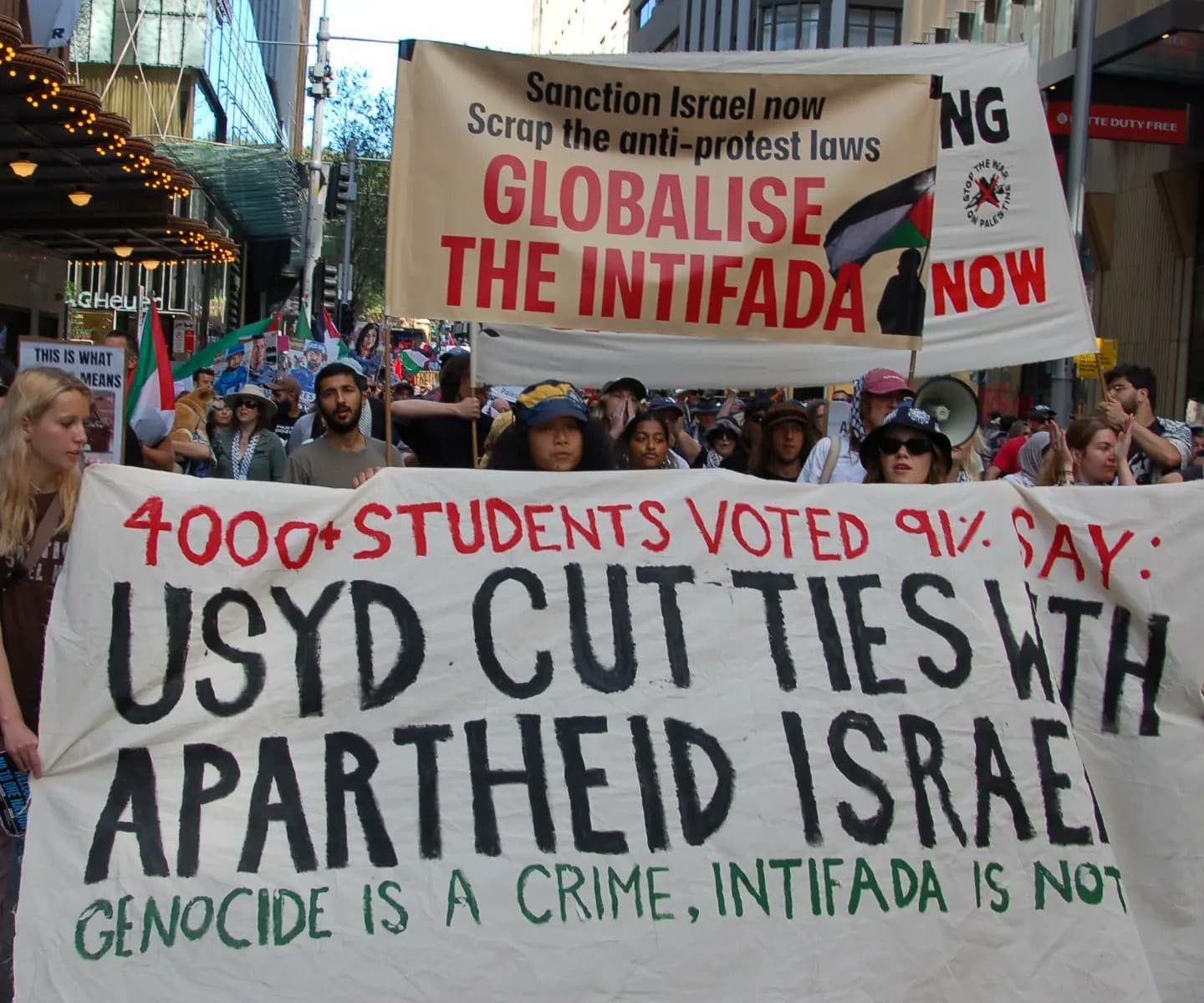
The unhappy fact is that Turks across the political spectrum — right/left and Islamist/secular nationalist — don’t like Israel or Jews. According to a Pew Research Poll published last week, 97% of Turks distrust Israel and Prime Minister Netanyahu. These findings comport with earlier polling of Turkish attitudes toward Israel and Jews, including a 2014 study showing that 69 percent of Turks harbored antisemitic attitudes. More than half of the respondents believed Jews were responsible for most of the world’s wars and 61% felt Jews were hated because of their behavior.
In this framework, it’s possible to write off Erdoğan’s threats as political gamesmanship aimed at placating a Turkish public steeped in antisemitism and distracting it from an economy that has taken a beating because of the surge of energy prices triggered by the Iran conflict. So Erdoğan is, like leaders throughout history, blaming the Jews for his own problems.
The catch is that the Middle East is a part of the world where tough talk is likely to lead to real trouble. For as Middle Easten leaders draw political power from antisemitism and anti-Israel rhetoric, they are compelled to feed the beast with more talk, which leads to dramatic miscalculations as they come to believe their own propaganda. Nasser is the most famous of regional chieftains who goaded himself and his nation into disaster, with the devastating loss to Israel in the 1967 Six-Day War. Today, six decades later, the dire predicament facing the ayatollahs in Tehran is largely the consequence of their own longstanding efforts to turn profligate “Death to America, Death to Israel” rhetoric into reality.
We can only hope that, precisely because of Israel’s demonstrated prowess since October 7th, Erdoğan recognizes the real-world dangers of talking Turkey into a war with one of the world’s top militaries. What is certain is that there will be no genuine Israeli-Turkish rapprochement until Turkish society gets past its hatred of Jews.