|
Getting your Trinity Audio player ready...
|
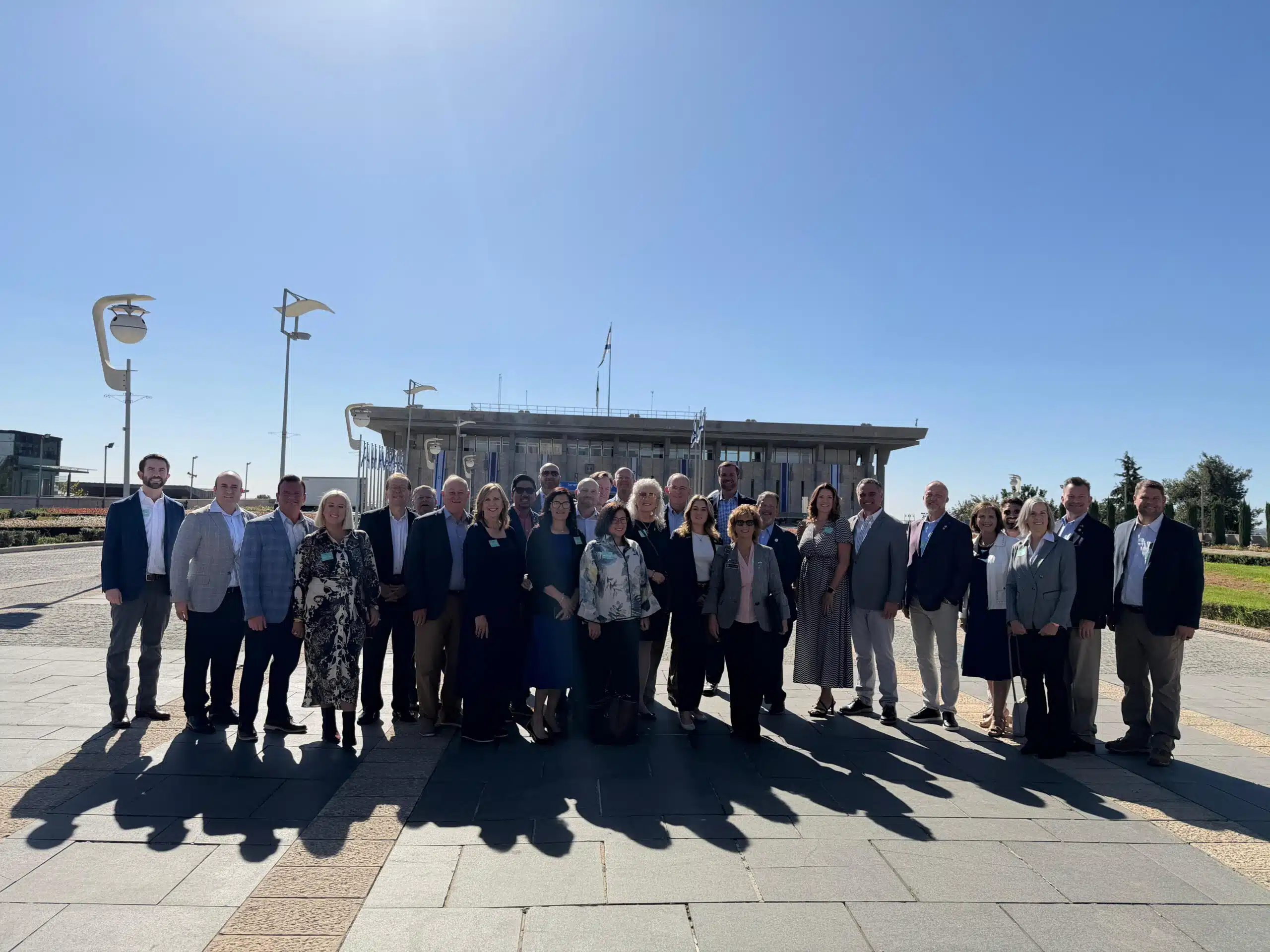
A delegation of a dozen state legislators from across the U.S. visited Israel this week as members of a delegation organized by the Combat Antisemitism Movement (CAM).
The aim of the trip for the lawmakers was to express solidarity, gain first-hand insights into Israel’s security realities two years after the October 7th massacre, and strengthen bilateral state-level economic and cultural ties.
Among the participants was Kansas Senate President Ty Masterson, who has helped spearhead legislative efforts in Kansas to combat antisemitism, including the adoption of the of the International Holocaust Remembrance Alliance (IHRA) Working Definition of Antisemitism into state statute earlier this year.
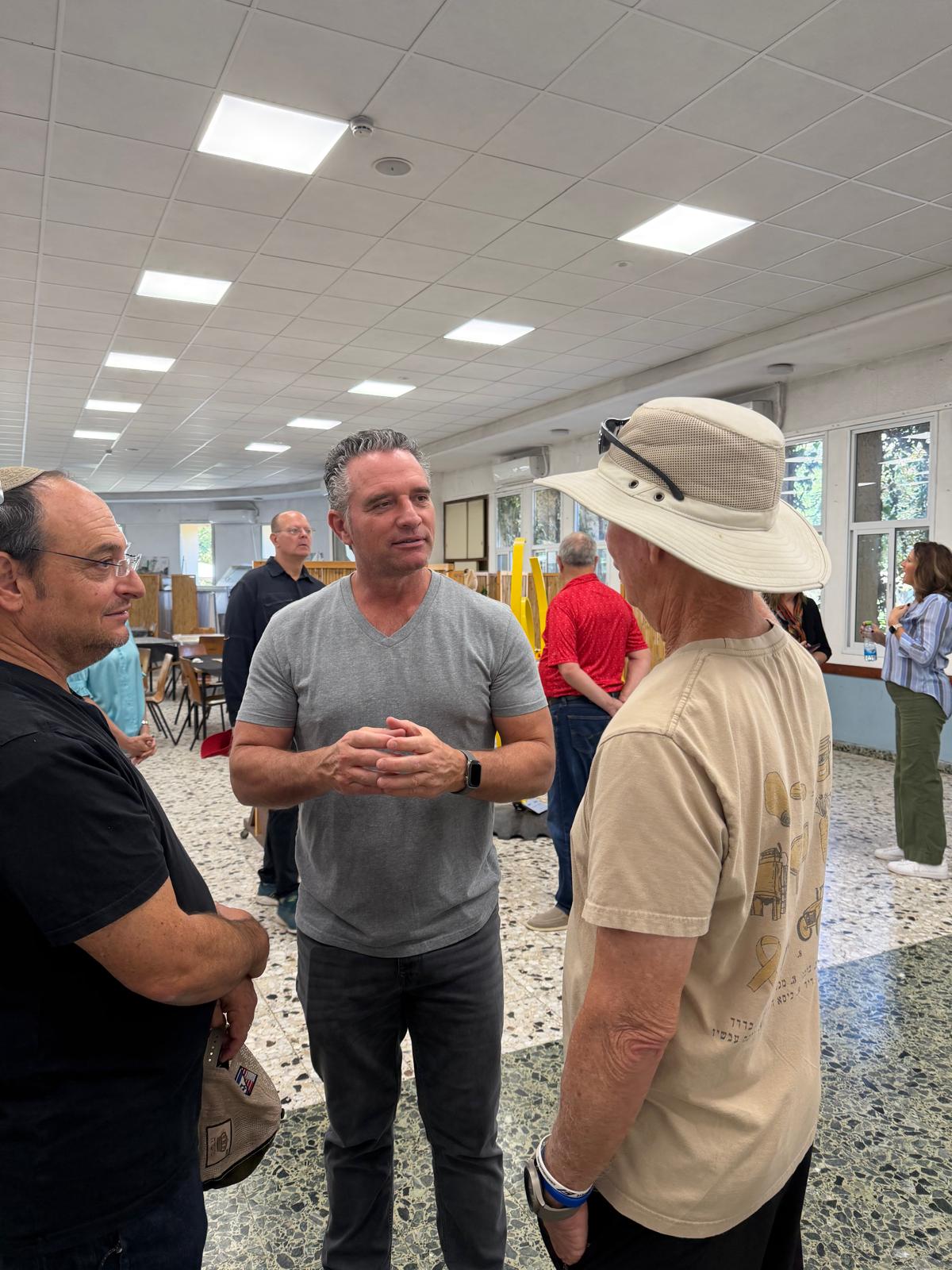
Before heading home from Israel, Masterston spoke with CAM about his experience and the lessons he drew from his first-ever visit to the Jewish state.
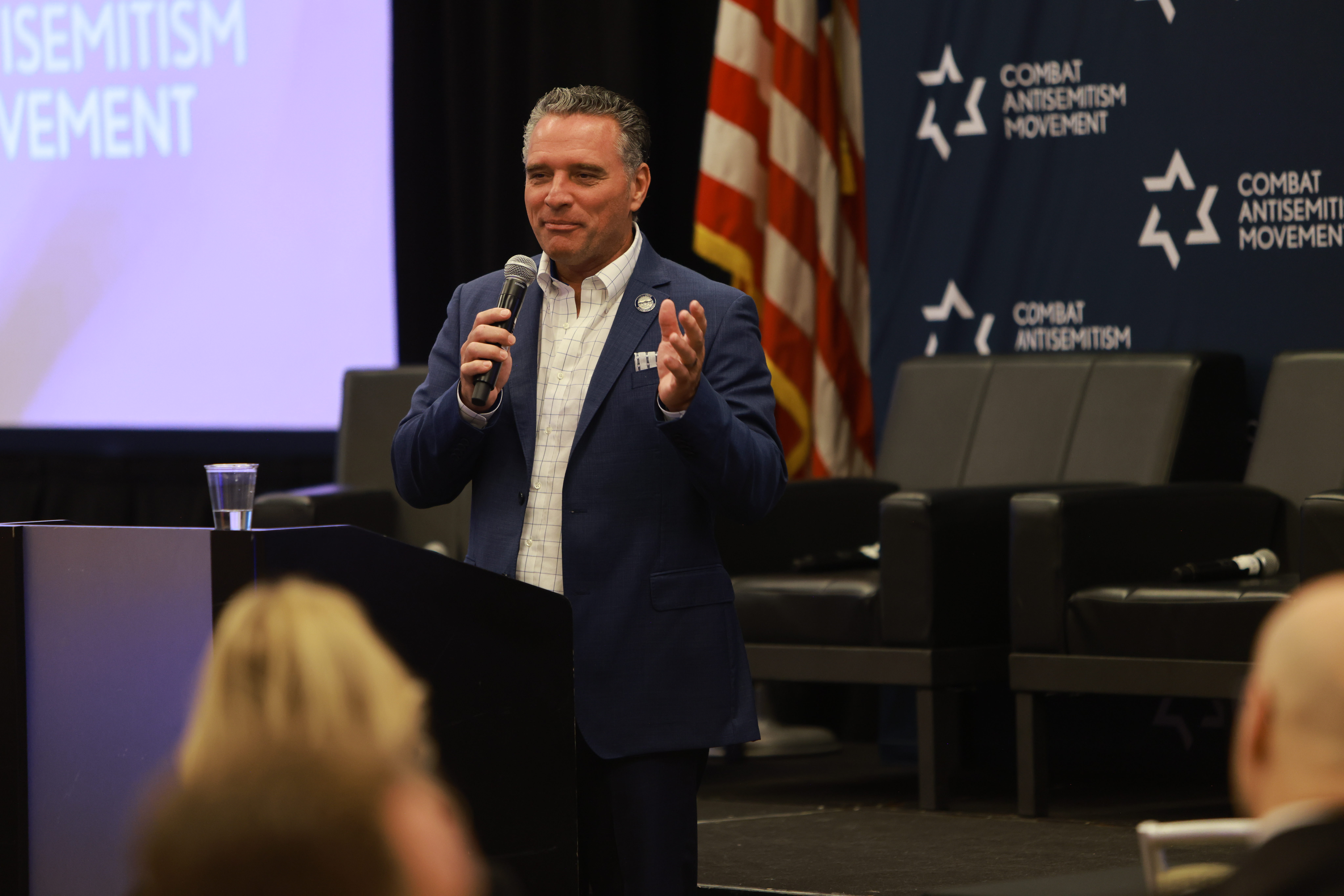
What do you see as the responsibility of state legislative leaders in shaping America’s stance against antisemitism and support for Israel?
Masterson said understanding how the United States was structured was key to recognizing the role of states in confronting antisemitism. “The states are sovereign entities within our system — national, state, and local,” he explained. “A lot of people, even some in state government, don’t really understand that.”
He noted that most state legislatures, including Kansas’s, were made up of citizen legislators — people who serve part-time while maintaining careers. Because of that, some lawmakers underestimated their authority and moral responsibility. “When more of us step up and take on these battles,” he said, “that’s when it becomes a national stance.”
Even when the federal government acts, Masterson pointed out, its efforts “don’t apply evenly across every state,” underscoring the need for state-focused initiatives. “It’s a global fight,” he added, “and it starts with what we do in our own states.”
Referring to Kansas’s adoption of the International Holocaust Remembrance Alliance (IHRA) Working Definition of Antisemitism, Masterson said, “Defining something from a legal perspective is the first step. If you don’t define it, it’s hard to know what to do with it. That definition is the foundation for every step that follows.“
How do you forge and sustain bipartisan backing for the fight against antisemitism?
“You have to build genuine relationships with people on the other side before you can even have the conversation,” Masterson, a Republican, said.
“Everybody is against hate — but you have to define it,” he continued. “In Kansas, it wasn’t that difficult, because we already had those relationships, even with the minority party. Once we agreed on what hate looks like, it became possible to unite people behind the effort to fight it.”
How does your Christian faith guide your stand against antisemitism and support for Israel?
“My faith teaches that every life is precious — it doesn’t matter your background, your ethnicity, or your color,” Masterson said. “We’re all one people, created by God. That’s what drives me in the fight against antisemitism.”
He reflected on the shared roots of Christianity and Judaism — a bond he considers deeply personal.
“Judaism is the foundation of the Christian faith. As a follower of Jesus Christ, who came to us from the Jews, I feel a deep sense of kinship,” Masterson said. “When I see hatred toward Jews, it feels like an attack on my own family. My faith calls me to protect others as I would my children. Fighting hate against Jews is a natural extension of that calling.”
You have worked with CAM on projects such as the State Leadership Summit earlier this year and Kansas’s official recognition of Jewish American Heritage Month (JAHM). Can you speak to the positive impact of partnerships like this?
“What makes [partnerships] effective is the education that unity brings,” Masterson said. “Working together — that association — is the key to turning conviction into impact.”
He emphasized that education was vital to countering misinformation. “It’s a huge effort, because I’ve been stunned on this trip by the gap between reality and what comes through the propaganda machine back home,” he said. “We’re seeing the ‘Free Palestine’ messaging effectively reach young people on campuses and across social media. It’s essential that the real knowledge, the truth, comes through.”
Drawing a historical comparison, Masterson warned that widespread bias has placed Jews in a deeply unjust situation. “It feels like the Jewish people today are in a position similar to what Black Americans faced in the Deep South during the Jim Crow era — where the jury was already against them,” he said. “That’s why it’s so important to educate people about the truth — to confront the false accusations being leveled against Jews. Partnerships like this matter because they educate, unify, and ensure that truth has a voice.”
As Holocaust distortion and anti-Israel rhetoric spread online and in politics, how can leaders restore moral clarity — not just through law, but through example?
“We have to lead by example,” Masterson said. “It’s important to understand the truth and spread it.”
He said restoring moral clarity required courage and persistence. “It’s an uphill fight to educate people about what’s really happening in Israel, the Middle East, and more broadly against the Jewish people,” he acknowledged.
For Masterson, leadership means leveraging every platform to counter falsehoods with fact. “We must use our spheres of influence to educate where we can — and our legal authority to act where we must,” he said.
Public pressure often silences leaders on moral issues. What does moral courage mean to you when speaking up for Israel or against antisemitism?
“Moral courage shows itself in many ways — whether it’s defending someone who’s mistreated or standing by Israel when it’s not politically convenient,” Masterson stated. “It means taking a stand no matter the price.”
He went on to say his understanding of courage was rooted in faith, not popularity or fear. “I don’t need to fear man — I fear God,” he said. “Moral courage is operating to please him, not the crowd.”
What’s next for Kansas in the fight against antisemitism?
“The next step in Kansas is being vigilant about what we have — on the enforcement side of what we’ve done,” Masterson said. “There’s a distinction between just passing a law and enforcing it.”
“In Kansas, we’ve had to stay vigilant because the legislature and executive branch are often led by different parties,” he noted. “It’s the executive that enforces the law and the judiciary that interprets it. You have to stay engaged to ensure those laws are upheld as intended.”
Looking back on the delegation’s trip, what moments were most powerful for you?
Masterson said that being in Israel had turned awareness into lived experience. “It’s so much deeper — my understanding of the situation, the people, and what they’re facing,” he said.
He described the trip as a profoundly spiritual experience that had reaffirmed his deep connection to his faith and the people of Israel.
“I really enjoyed being able to walk where Jesus walked,” Masterson said. “Standing on the shores of the Galilee — where he walked on water — makes it all feel more real. To stand where you know he stood — it’s an indescribable feeling.”
—
CAM has led an organized effort over the past year to engage and educate state legislators across the U.S. on antisemitism-related issues and potential policy remedies.
Legislative initiatives have been put forth in Arkansas, Kansas, Kentucky, Missouri, Nebraska, Oklahoma, Tennessee, and Wisconsin, and five of these states — Arkansas, Kansas, Kentucky, Oklahoma, and Tennessee — have seen new laws enacted since the start of April.
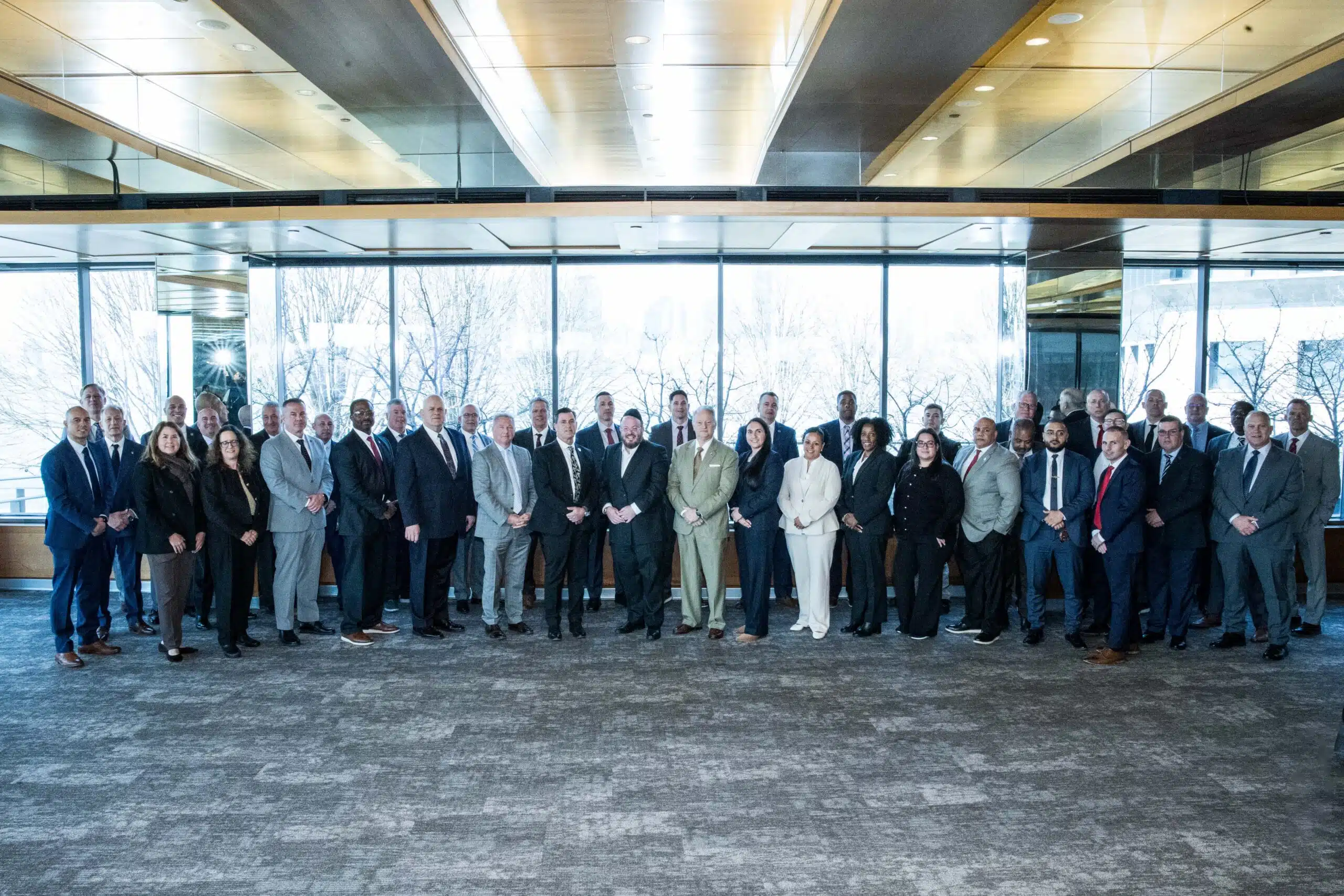
At the end of June, lawmakers and executive officials from 17 states convened in Kansas City, Missouri, for the first-ever CAM-organized State Leadership Summit on Antisemitism.