
|
Getting your Trinity Audio player ready...
|
On October 28, 1965, the Catholic Church issued Nostra Aetate, a declaration of the Second Vatican Council addressing relations with non-Christian religions. Its fourth section, devoted to Judaism, marked one of the most consequential doctrinal shifts in the modern history of antisemitism.
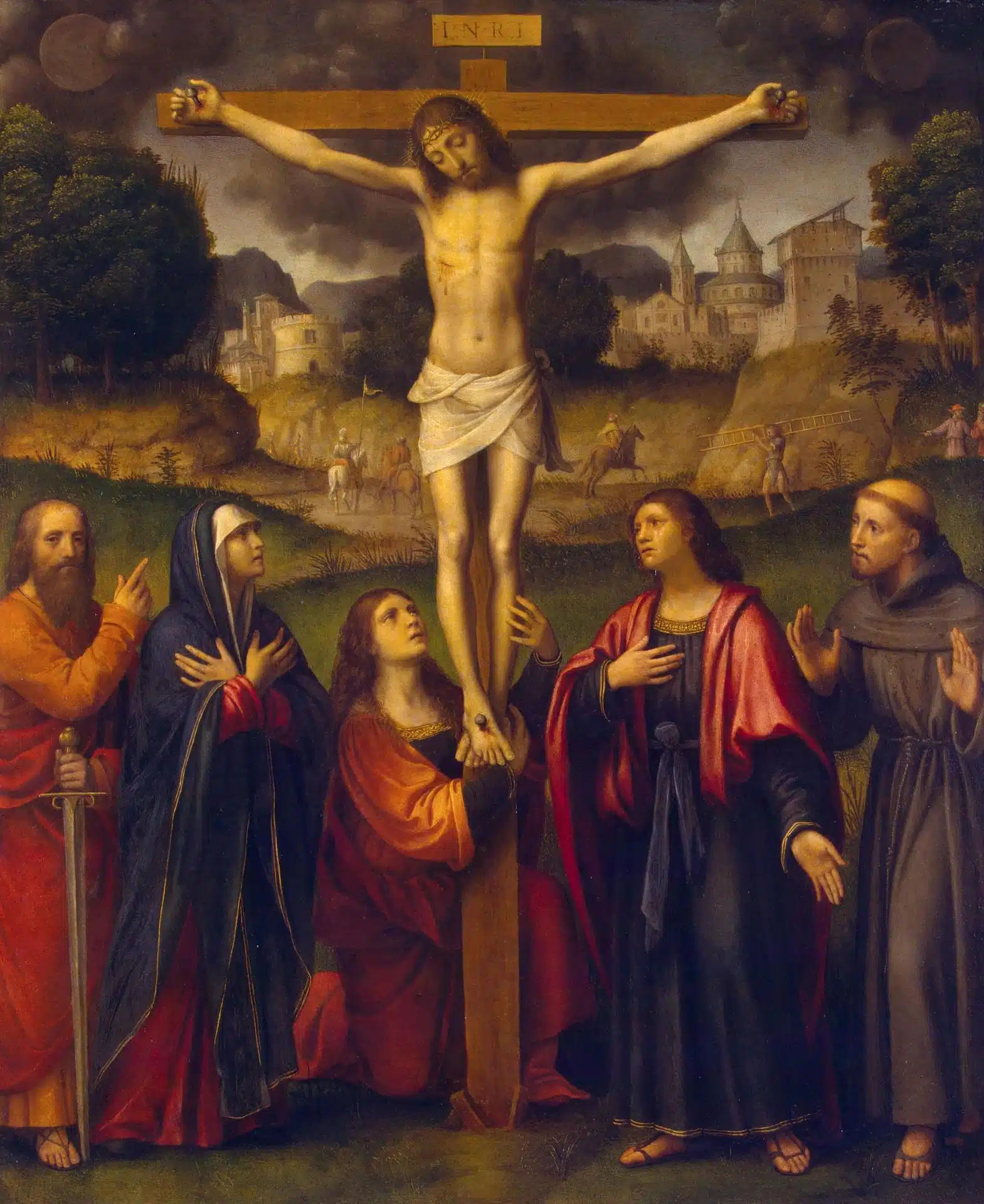
For centuries, Christian teaching in Europe framed Jews through theological categories of rejection, guilt, and spiritual failure. These ideas were reinforced through sermons, catechesis, biblical interpretation, and religious art. Over time, this theological framework shaped social attitudes, influenced law and custom, and normalized discrimination, exclusion, and repeated violence against Jewish populations.
Importantly, scholars documenting antisemitism emphasize that hostility toward Jews long predated modern racial theories. Instead, religious antisemitism sustained itself across centuries. As a result, European societies learned to view Jews as collectively blameworthy and morally suspect. This conditioning created an environment in which persecution could recur, intensify, and later merge with racial ideologies.
Nostra Aetate confronted this legacy directly. It dismantled specific theological claims that had long provided moral justification for hostility toward Jews.
Theological Roots of Christian Antisemitism
Before 1965, several doctrines shaped Christian attitudes toward Jews in destructive ways.
Most notably, the charge of deicide accused Jews collectively of responsibility for Jesus’ death. Closely related, supersessionism, also known as replacement theology, taught that Christianity had supplanted Judaism in God’s covenantal plan. Under this framework, Jewish religious life persisted only as a sign of error or spiritual blindness.
Over time, preaching, biblical interpretation, and liturgy reinforced these ideas. Consequently, Christian societies framed Jewish suffering as divinely ordained. As a result, these theological ideas helped justify antisemitism, including forced conversions, expulsions, pogroms, and repeated violence against Jewish communities over the centuries.
By the twentieth century, inherited religious ideas had already shaped the cultural conditions that allowed antisemitism to flourish. Later, racial and nationalist ideologies drew strength from this inherited legacy.
Rejecting Collective Guilt for Death of Jesus
Nostra Aetate delivered its most decisive intervention by rejecting collective Jewish guilt for the crucifixion of Jesus.
The declaration states that although certain Jewish authorities participated in the events leading to Jesus’ death, responsibility cannot be charged against all Jews then living or against Jews today.
This statement dismantled a theological structure that had endured for centuries. Once societies framed guilt as collective and permanent, hostility no longer required evidence. Instead, it appeared morally justified. The deicide charge functioned as a religious permission structure. It sanctified contempt and legitimized exclusion.
By removing that claim, Nostra Aetate revoked a central mechanism that had allowed antisemitism to present itself as faithfulness rather than injustice.
Moreover, the declaration warned explicitly against portraying Jews as rejected or accursed by God. In doing so, it rejected the idea that Jewish suffering carried theological meaning — a belief that had long reinforced antisemitic attitudes.
Condemning Antisemitism Without Qualification
Nostra Aetate “decries hatred, persecutions, and displays of antisemitism directed against Jews at any time and by anyone.”
Notably, the Church did not frame antisemitism as a historical mistake or contextual excess. Instead, it identified antisemitism as a moral wrong in principle.
This shift matters because doctrine shapes behavior. When religious teaching portrays a people as cursed or permanently culpable, it legitimizes discrimination and violence. Conversely, when teaching changes, the moral justification for discrimination and violence erodes.
The Post-Holocaust Reckoning
Nostra Aetate did not emerge in isolation. Church leaders drafted and debated it in the shadow of the Holocaust, after the murder of six million Jews in a continent shaped for centuries by Christian culture.
After World War II, Church leaders confronted a profound moral reckoning: how could genocide unfold so widely in societies shaped, at least in part, by Christian teaching? In this context, longstanding Christian theology that portrayed Jews as collectively guilty or spiritually rejected came under renewed scrutiny. These concerns prompted appeals for doctrinal clarification and reform during the Second Vatican Council.
In its final form, Nostra Aetate explicitly rejects assigning collective responsibility to Jews for the death of Jesus and condemns antisemitism, reflecting a broader post-Holocaust reckoning with inherited religious hostility.
Nostra Aetate emerged from that reckoning. It acknowledged that theology is not morally neutral and recognized that centuries-old teachings carried real consequences.
From Doctrine to Practice: Guarding Against Regression
Because Nostra Aetate is concise, the Vatican issued follow-up guidance to embed its principles in practice.
In 1974, the Vatican’s Commission for Religious Relations with the Jews released Guidelines and Suggestions for Implementing the Conciliar Declaration “Nostra Aetate” (n. 4). These guidelines called for renewed respect, accurate teaching about Judaism, and careful biblical interpretation.
Later, in 1985, the Commission issued Notes on the Correct Way to Present the Jews and Judaism in Preaching and Catechesis.This document warned explicitly against stereotypes, careless language, and historical distortion.
Together, these texts reflect an institutional understanding: theological reform requires vigilance. Without it, inherited narratives re-enter education and public discourse through habit and tradition.
Reinforcement in the Catechism
The Catechism of the Catholic Church reinforces the same doctrinal position. It affirms that Jews do not bear collective responsibility for Christ’s death. It also rejects any attempt to transform the Passion into a collective indictment.
This clarity is critical, as religious instruction transmits ideas across generations. Therefore, removing ambiguity at this level helps prevent the persistence of antisemitic myths.
Reception and Limits
Nostra Aetate is authoritative Catholic teaching. It represents a binding doctrinal commitment to rejecting antisemitism. Since 1965, it has reshaped Catholic–Jewish relations worldwide and remains central to interreligious dialogue.
At the same time, it did not resolve every theological debate. Supersessionist interpretations persist in some currents. Moreover, gaps remain between doctrine and lived reality. Antisemitism has not disappeared from Christian societies.
Acknowledging these limits strengthens Nostra Aetate. It underscores why education, defense, and application remain essential.
From a Jewish perspective, the document’s rejection of inherited blame marked a historic rupture with nearly two millennia of theological accusation. While it did not constitute reconciliation, it removed a foundational justification for exclusion and violence.
Continuing Relevance
Antisemitism does not rely only on conspiracy theories or political agitation. Instead, it draws strength from inherited narratives that assign blame before any action occurs.
Nostra Aetate remains relevant because it shows how institutions can confront deeply embedded ideas at their source. When theology becomes a vehicle for collective blame, the result is not disagreement. Instead, it produces danger.
Frequently Asked Questions
What is Nostra Aetate?
Nostra Aetate is a 1965 declaration of the Catholic Church issued during the Second Vatican Council that defines the Church’s relationship with non-Christian religions, including Judaism, and formally addresses the theological roots of antisemitism.
Why was Nostra Aetate written?
Nostra Aetate was written in the aftermath of the Holocaust as part of the Catholic Church’s effort to confront the moral consequences of centuries of Christian teaching toward Jews and to correct doctrines that had enabled antisemitism.
What did Nostra Aetate say about Jews and the death of Jesus?
Nostra Aetate states that responsibility for Jesus’ death cannot be charged against all Jews living at the time of the crucifixion nor against Jews today, explicitly rejecting collective Jewish guilt.
Did the Catholic Church blame Jews for Jesus’ death before 1965?
Before Nostra Aetate, Christian teaching often promoted or tolerated the idea of collective Jewish responsibility for Jesus’ death, commonly known as the charge of deicide, which contributed to centuries of antisemitic attitudes and persecution.
Did Nostra Aetate condemn antisemitism?
Yes. Nostra Aetate explicitly condemns hatred, persecution, and displays of antisemitism against Jews at any time and by anyone, without qualification.
Did Nostra Aetate say Jews are rejected or cursed by God?
No. Nostra Aetate explicitly warns against presenting Jews as rejected or accursed by God, rejecting the idea that Jewish suffering or marginalization is divinely ordained.
Is Nostra Aetate binding Catholic teaching?
Yes. Nostra Aetate is authoritative Catholic Church teaching and represents a binding doctrinal commitment that continues to guide Catholic theology, education, and interreligious relations.
How was Nostra Aetate implemented after 1965?
The Vatican issued follow-up guidance in 1974 and 1985 instructing clergy and educators on how to teach about Judaism, interpret Scripture, and avoid language or interpretations that could reintroduce antisemitic prejudice.
Did Nostra Aetate end antisemitism within Christianity?
No. While Nostra Aetate dismantled core theological justifications for antisemitism, antisemitic attitudes have not disappeared entirely, making continued education and vigilance necessary.
Why does Nostra Aetate still matter today?
Nostra Aetate still matters because antisemitism often relies on inherited narratives of collective guilt and religious blame, and the document explicitly rejects those narratives at their theological source.
How do Jewish communities view Nostra Aetate?
Jewish scholars and institutions widely recognize Nostra Aetate as a historic turning point that removed centuries-old theological justifications for antisemitism, even while acknowledging that its full implications continue to be debated and implemented.