|
Getting your Trinity Audio player ready...
|
A new United Nations–backed survey, published on Tuesday, paints a stark picture of antisemitism across European schools, revealing that hostility toward Jews has become a routine feature of classroom life rather than a rare disruption..
According to findings released by the UN’s Educational, Scientific and Cultural Organization (UNESCO), more than three-quarters of teachers surveyed across the European Union reported witnessing antisemitic incidents between students. Many described repeated exposure, with some encountering such behavior regularly.
Antisemitism Reported by the Majority of Teachers
The survey questioned 2,030 teachers working across EU member states. It found that 78 percent had encountered at least one antisemitic incident involving students. More than a quarter said they had witnessed nine or more such incidents.
Equally troubling, 61 percent of respondents reported students promoting Holocaust denial or distortion. Others described students drawing or wearing Nazi symbols. In addition, 42 percent said they had seen antisemitism expressed by fellow teachers.
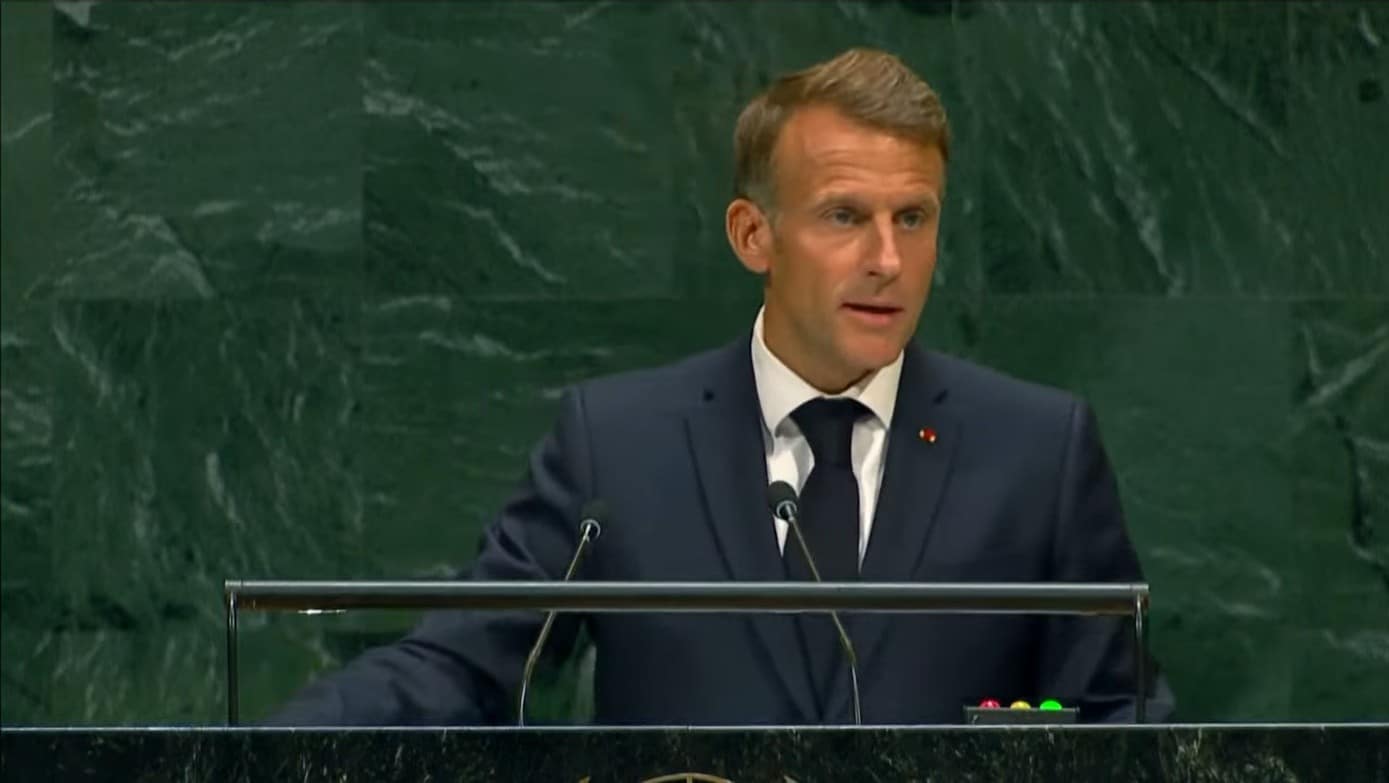
UNESCO Director-General Khaled El-Enany warned that educators were confronting a level of hatred not seen for generations. In a statement accompanying the report, he said that hate speech, including antisemitism and Holocaust denial, has reached levels unseen since World War II. He added that most teachers lacked specific training to confront these realities, particularly as technology and artificial intelligence amplify extremist content.
Findings Released Amid Post-October 7 Surge
The survey appears in a broader UNESCO report titled “Addressing Antisemitism Through Education: A Survey of Teachers’ Knowledge and Understanding.” Its release came amid a sustained global rise in antisemitism following Hamas’s October 7, 2023, massacre in southern Israel.
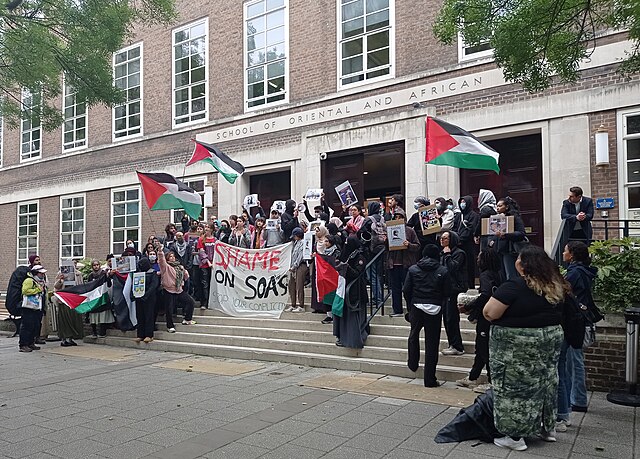
Across Europe, that surge has been especially visible in academic settings. Jewish students have faced harassment, threats, and physical violence on campuses and in surrounding communities.
At the University of Strasbourg, an assailant attacked Jewish students while shouting slurs. The University of Vienna hosted an “Intifada Camp,” drawing widespread concern over the normalization of violent rhetoric. At the Free University of Brussels, activists illegally occupied an administrative building and renamed it after a terrorist.
Beyond campuses, Jewish property has been vandalized, dormitories defaced with swastikas, and student leaders assaulted. In several cases, damage reached hundreds of thousands of euros.
Street Violence Mirrors Classroom Hostility
Antisemitism has not been confined to educational spaces. In July 2025, Jews walking home from an event on the Greek island of Rhodes were attacked by a group wielding knives. In Davos, Switzerland, a man repeatedly spat on and assaulted Jewish individuals, including a visiting couple.
These incidents reflect a broader climate in which antisemitic hostility has moved from rhetoric to action, often with little warning.
Anti-Zionist Rhetoric Linked to Classroom Incidents
The UNESCO report also addressed the relationship between antisemitism and anti-Zionist rhetoric. Nearly half of surveyed teachers said they had encountered students making hateful comments related to the State of Israel.
While the report noted that criticism of Israel did not automatically constitute antisemitism, it warned that hate frequently crossed that line. According to the findings, such rhetoric was significantly more likely to include prejudice, dehumanization, or incitement to violence.
Parallel Crisis in U.S. K-12 Schools
Similar patterns have emerged in the United States. A separate survey by StandWithUs found that more than 60 percent of Jewish K-12 educators had either experienced or witnessed antisemitism in professional settings.
Nearly half reported antisemitic conduct originating within teachers’ unions. Despite widespread requirements for anti-bias training, only a small fraction of educators said those programs address antisemitism specifically.
Dr. Alexandra Fishman, StandWithUs’s director of data and analytics, described the findings as unprecedented. She noted that more than 60 percent of respondents reporting direct exposure to antisemitism in their profession reflected a systemic failure to protect Jewish educators.
Consequences for Students and Society
Civil rights advocates warn that when antisemitic or anti-Zionist narratives go unchallenged in classrooms, the next generation absorbs them.
Last week in Brooklyn, New York, police arrested two 15-year-olds suspected of spray-painting dozens of swastikas across a public playground. The incident underscored how quickly classroom rhetoric can translate into real-world hate.
For more information, please read: Battling Bias in K-12 Education: How Antisemitic Narratives Are Shaping the Minds of America’s Students
Take Action
CAM has launched Report It — a secure app to report antisemitic incidents anonymously and in real time. Don’t stay silent — download it today on the Apple Store or Google Play. See it. Report it. Stop it. Together, we can fight this hate.