|
Getting your Trinity Audio player ready...
|
The following is an op-ed authored by Combat Antisemitism Movement (CAM) Manager of Latin American Affairs Nurit Caplivsch:
A few days ago, as I was leaving my son’s school in Montevideo, I saw a group of teenagers walking along and singing. They were returning from a classmate’s bar mitzvah. They were at that age when each had either just celebrated their own or was preparing to do so. With unselfconscious joy, they shared a sense of belonging to a tradition that was their own.
I was moved by the sight. And, for a moment, I worried that someone might hurt them for the very things they were expressing: their identity, their belonging, their joy.
That concern left me with a sadness difficult to put into words. In my daily work, I am dedicated to combating antisemitism and defending the freedom to live fully as who we are. Yet, faced with such a beautiful scene, the possibility of a threat had entered my mind.
Celebrating a friend’s bar mitzvah, singing together, being there for one another through the milestones of Jewish life: this is how our lives unfold. These gestures hold affection, memory, and continuity. How can we accept that they might make us targets of aggression?
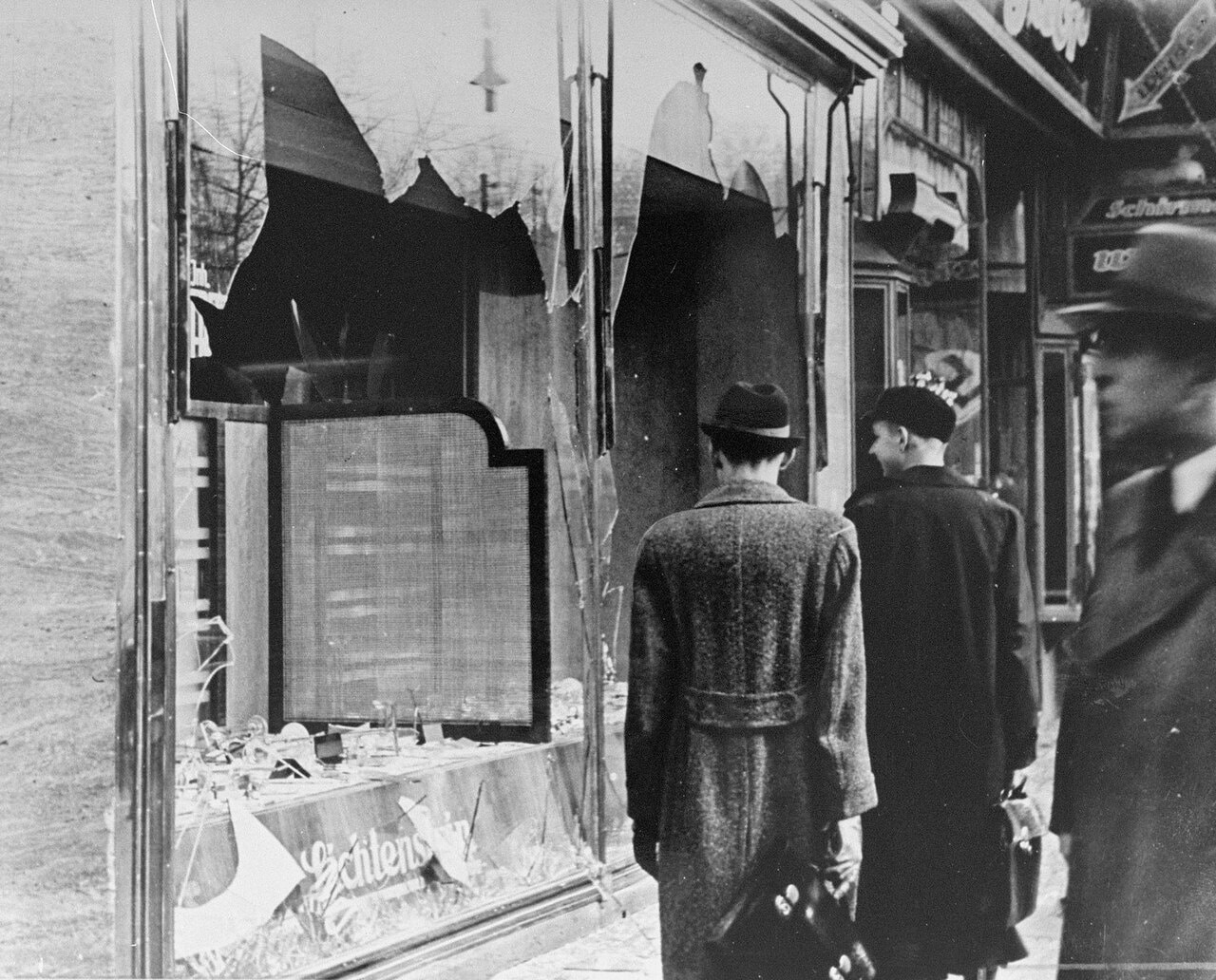
Today, on the 88th anniversary of Kristallnacht (“Night of Broken Glass”), I find myself thinking again about those teenagers.
On November 9-10, 1938, the Nazi regime unleashed a wave of violence against Jews in Germany and the annexed territories. Synagogues were set ablaze, businesses looted, homes destroyed, and people humiliated and murdered. Around 30,000 Jewish men were arrested and sent to concentration camps. The institutions that should have protected them allowed the attacks or took part in them.
The persecution had been escalating for years. That night marked a brutal turning point in the destruction of Jewish life.
Many German Jews came from families whose roots in the country stretched back generations. Germany was their homeland; its language and culture were woven into their innermost lives. They had contributed to its development and fought for it. I think of the profound helplessness of discovering that their own country could deny them that belonging.
The fact that such violence could flourish in a society with an extraordinary intellectual and cultural tradition continues to challenge us. Academic learning did not prevent dehumanization. Knowledge and institutions were also placed at its service.
In my family, that history is marked by very real absences. My maternal great-great-grandparents and my paternal great-grandparents were murdered in the Holocaust. They did not simply die. They were killed. I grew up with that memory, passed down by my parents and grandparents.
One book left a profound impression on me: Las cartas que no llegaron (The Letters That Never Came), by Mauricio Rosencof. It brings to mind those who had managed to escape and waited for news of their loved ones. Their need to know whether they were still alive. The silence that gradually took the place of answers. In that waiting, I recognize an intimate dimension of the devastation: families torn apart, trying to preserve their bonds as every possibility of reunion was taken from them.
After Kristallnacht, the Kindertransport brought some ten thousand children, most of them Jewish, to safety in Britain. They traveled without their parents. Most never saw them again. As a mother, I find it heartbreaking to imagine a farewell in which saving your child meant letting them leave alone.
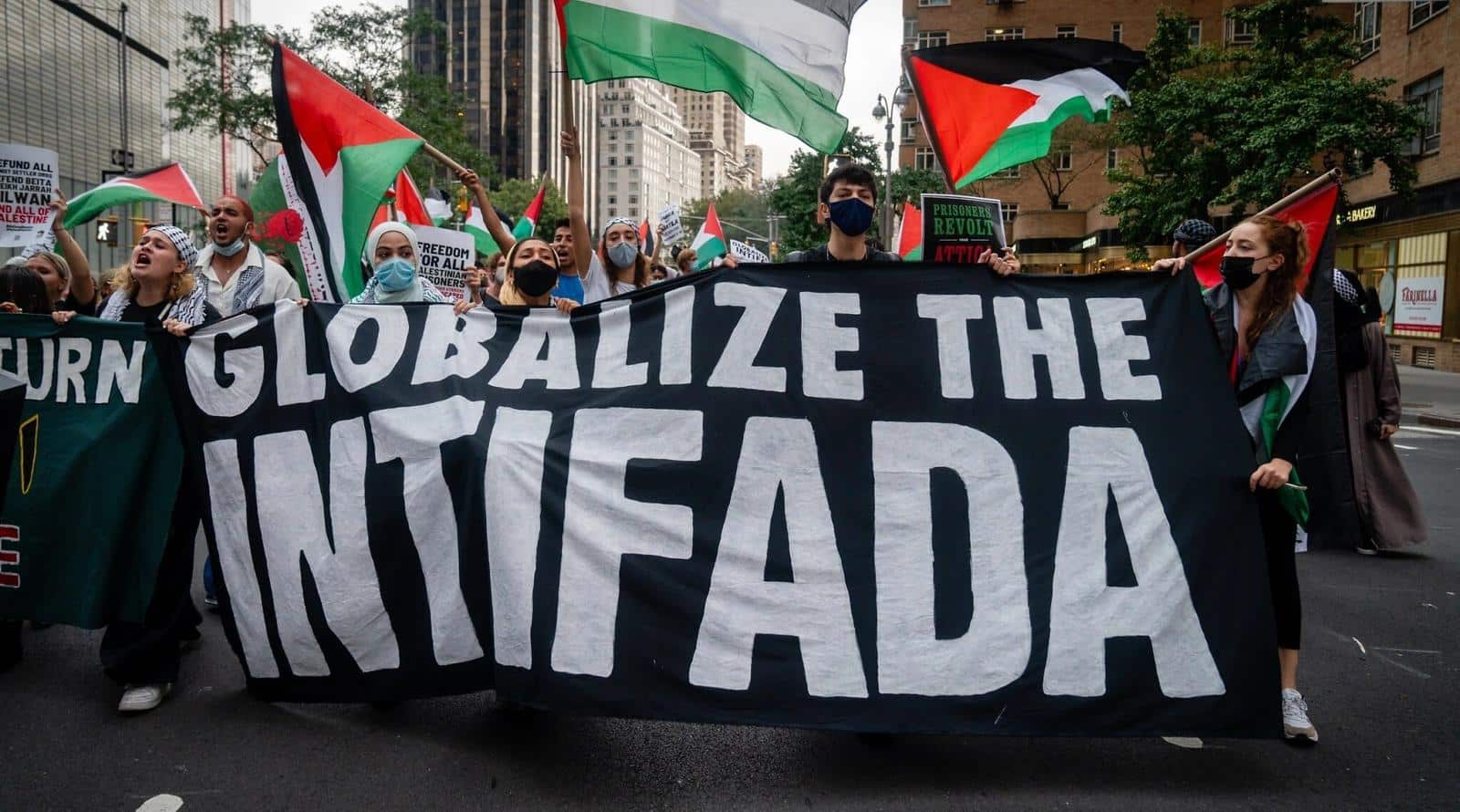
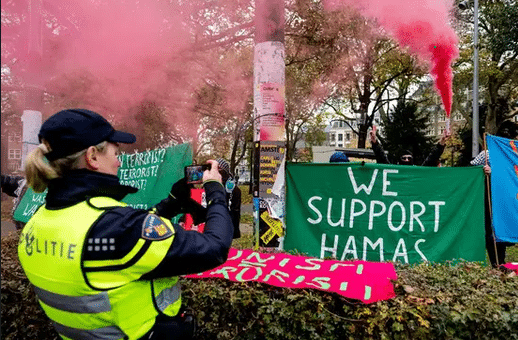
The massacre of October 7, 2023, and the expressions of anti-Jewish hatred we have witnessed since then make this reflection urgent. The differences between that past and our present demand historical rigor. Recognizing those differences also allows us to see the persistence of dehumanization and the danger of growing accustomed to it.
Through my work at CAM en Español, I see remembrance as a responsibility that must find expression in education, protection, and civic commitment. Its meaning extends to everyday life as well: ensuring that a celebration can simply be a celebration.
My son Ari is seven years old. I want to pass our history on to him, with its losses, its richness, and its love of life. My wish is for him to grow up proud of his identity, able to share it with the world freely and joyfully, and to find in his roots the strength to build his future.
Those teenagers singing were expressing something deeply precious: the freedom to celebrate who they were. Protecting that freedom is everyone’s responsibility.
Read more: