|
Getting your Trinity Audio player ready...
|
The following op-ed was authored by Shannon Seban, the Paris-based Executive Director of European Affairs for the Combat Antisemitism Movement (CAM).
The West must wake up and take concrete action against the Muslim Brotherhood.
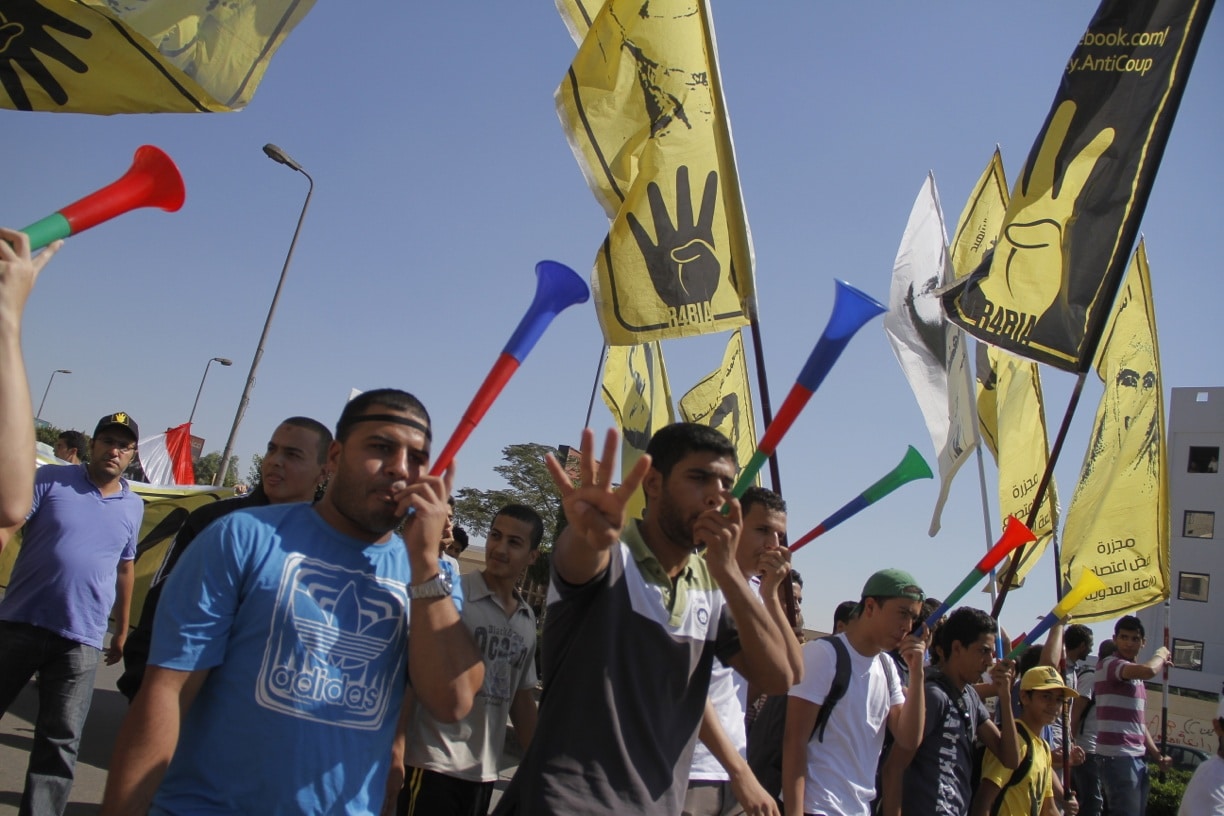
That is the message I heard repeatedly over the past few days from government officials, counter-extremism experts, and policymakers in the United Arab Emirates. Their conclusion was clear — Western democracies can no longer afford to underestimate the Muslim Brotherhood. They must recognize the threat it poses, consider designating it as a terrorist organization, and take meaningful steps to prevent its ideological and institutional expansion.
What struck me most was the contrast between Europe and much of the Arab world. In several Arab countries, the Muslim Brotherhood has long been banned or designated as a terrorist organization. Yet in Europe, it continues to operate, build influence, expand networks, and benefit from a level of political and societal naivety that would be difficult to imagine elsewhere.
The Brotherhood understands perfectly how democratic societies function. It knows how to navigate institutions, build influence through civil society organizations, establish educational and religious networks, and shape public discourse over the long term. While many European leaders still view the issue through a narrow security lens, the Brotherhood has adopted a much broader strategy of ideological and societal penetration.
This is why the debate surrounding the Muslim Brotherhood should become a major issue in France ahead of the 2027 presidential election. It touches on some of the most fundamental questions facing our country — national cohesion, integration, secularism, foreign influence, political Islam, security, and the resilience of our democratic institutions.
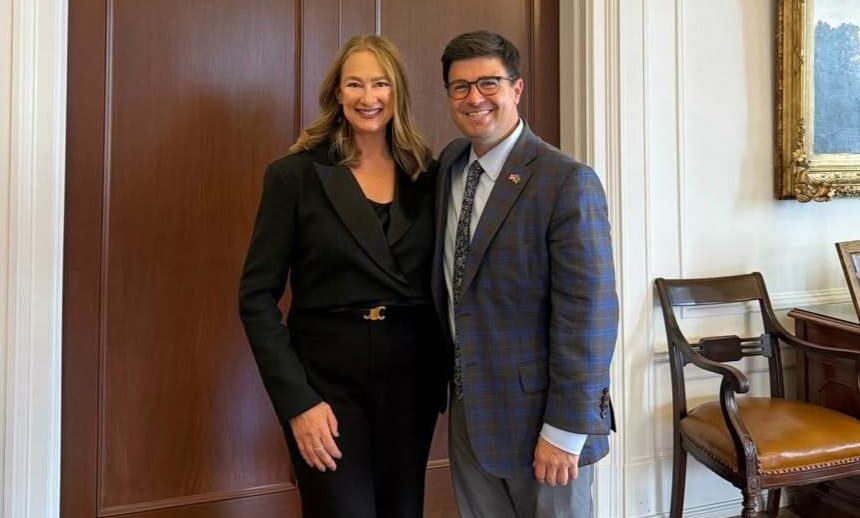
During my recent visit to Abu Dhabi, I met with Emirati officials, counter-extremism experts from Mohamed bin Zayed University, and Dr. Ali Rashid Al Nuaimi, one of the leading voices promoting coexistence and interfaith dialogue in the region.
Their assessment was consistent — the Muslim Brotherhood is not merely a religious movement. It is a transnational political project that seeks to gain influence within state institutions, shape public opinion, and ultimately acquire political power.
Over the past two decades, the United Arab Emirates has undertaken one of the most comprehensive campaigns in the Arab world against the Muslim Brotherhood. The UAE’s concerns intensified during the 1990s and early 2000s when the Brotherhood’s local affiliate, Al-Islah, began recruiting members within schools, universities, and government institutions. The Arab Spring of 2011 further reinforced these concerns when Brotherhood-affiliated movements gained power and influence across the region.
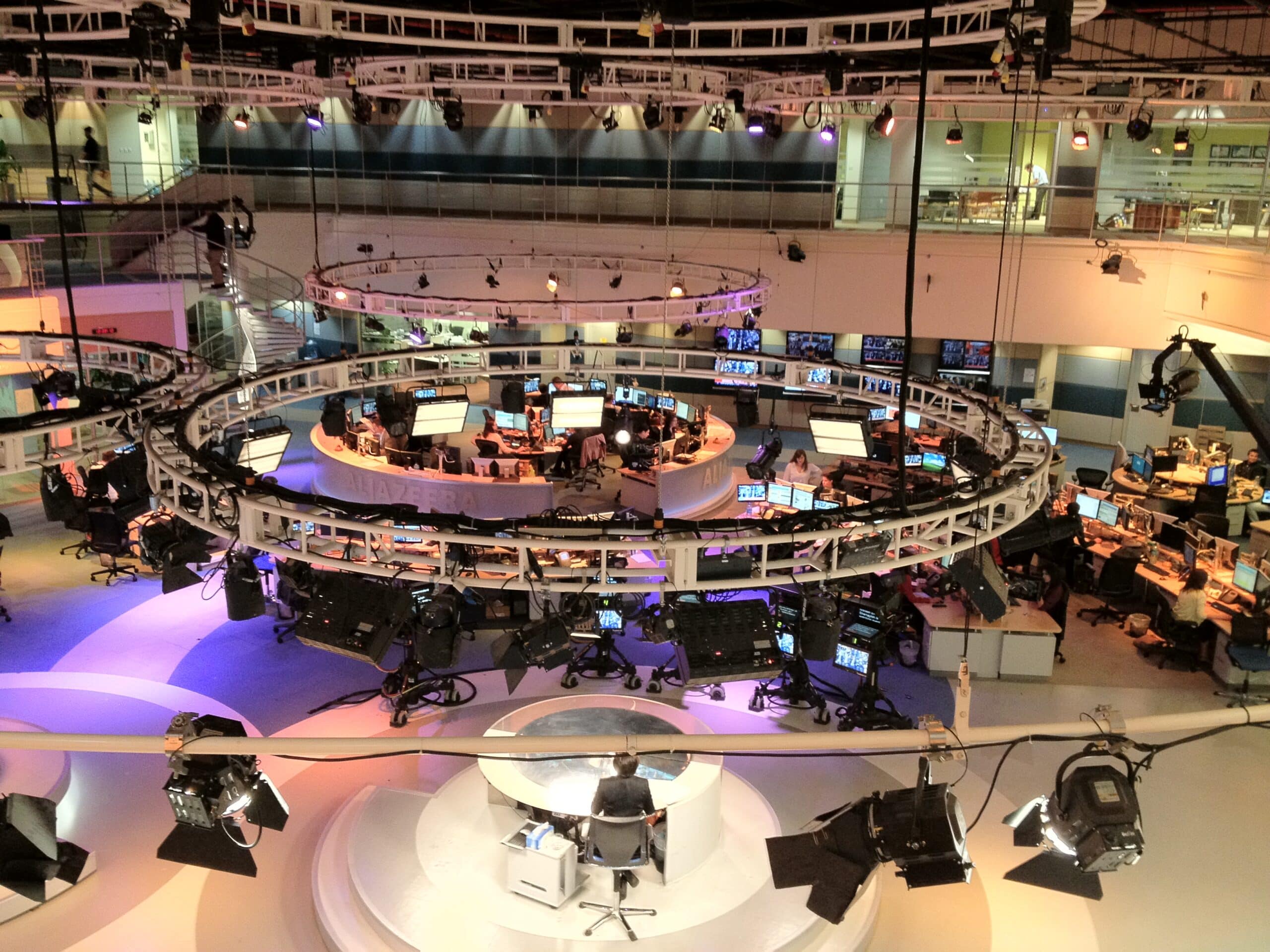
Equally concerning for Emirati authorities is the role played by Qatar, which has provided financial, political, and media support to Brotherhood-affiliated organizations throughout the Middle East. Through Al Jazeera and other channels of influence, Qatar has actively promoted Islamist narratives and personalities across the region.
Europe should pay close attention to these warnings.
In 2024, France’s defense and security services prepared a report for President Emmanuel Macron detailing the Muslim Brotherhood’s efforts to infiltrate institutions and build parallel structures capable of challenging the authority of the Republic. When parts of the report became public in 2025, they reinforced what many observers had long argued — the challenge is not a collection of isolated actors but a coordinated ideological strategy supported by extensive networks and foreign funding.
The issue extends beyond France. Across Europe, the Muslim Brotherhood has developed sophisticated networks that operate through associations, educational institutions, religious organizations, and advocacy groups. At the same time, Qatar has invested heavily across European economies, building significant political and economic leverage in several countries.
In contrast to Europe’s hesitant approach, the UAE chose a different path. Nearly fifteen years ago, it designated the Muslim Brotherhood as a terrorist organization, prosecuted members of Al-Islah, strengthened oversight of religious institutions, increased scrutiny of foreign funding, and implemented measures designed to prevent ideological infiltration.
Of course, Europe cannot and should not simply replicate the Emirati model. European democracies are founded on constitutional protections, individual liberties, and the rule of law. Any response must remain fully compatible with democratic principles.
But that does not mean remaining passive.
Europe should draw lessons from the UAE’s strategic clarity. The European Union should seriously examine the possibility of designating the Muslim Brotherhood as a terrorist organization. Governments should strengthen transparency requirements regarding foreign funding of religious and community institutions, increase oversight of organizations linked to extremist ideologies, and reinforce civic integration based on democratic values, citizenship, and national cohesion.
The lesson from Abu Dhabi is not one of authoritarian repression. It is one of strategic vigilance.
For too long, Europe has underestimated ideological movements that operate patiently, build influence gradually, and exploit the openness of democratic societies. Whether Europe is prepared to confront this challenge will be one of the defining questions in the coming years.
And in France, it should be one of the central debates of the 2027 presidential campaign.