|
Getting your Trinity Audio player ready...
|
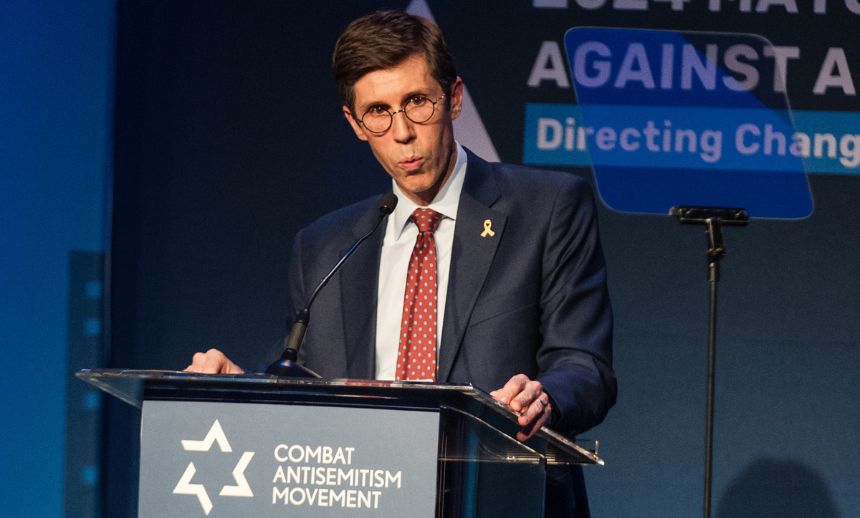
Brett Smiley, the mayor of Providence, Rhode Island, converted to Judaism two years ago and he subsequently continued his Jewish journey through an adult b’nai mitzvah program.
In an interview with the Combat Antisemitism Movement (CAM), Mayor Smiley, who chairs CAM’s Mayors Advisory Board, reflected on his conversion decision, the responsibilities that followed, and why he remains hopeful about the future of Jewish American life.
As a public official, you didn’t just participate in Jewish community life. You chose to become Jewish. What led you to make that decision, and what did it mean to you personally?
“My maternal grandfather was Jewish, and I grew up in a very Jewish community,” Smiley says. “I’d been celebrating holidays with friends for years.”
“There came a point in my adult life, really accelerated by my public service, where I felt a stronger desire than before to be a part of a faith community and to have a moral and spiritual grounding for my life, but also for my work. I found a home and a shul and a rabbi that just really spoke to me. As I went through the process, I became quite clear that I had found my place. It has become a real source of joy and strength for me.”
After completing his conversion, Smiley joined an adult b’nai mitzvah class, the last one taught by the congregation’s longtime cantor before her retirement. Among his classmates was former Providence Mayor and former U.S. Congressman David Cicilline. “Fourteen of us went through this eighteen-month process,” he says. “I couldn’t conceive that I had 18 months of Tuesday nights available.”
“It turned out to be wonderful,” he says. “It also feels very Jewish to have a commitment to learning and to growth and to continued education. To have an hour a week to be intellectually challenged, to learn a new language, and to now experience the text in the original Hebrew, as opposed to the transliteration.”
“You get to a point in your adult life where you have your circle, and you don’t make a whole lot of new friends from outside it. There were fourteen of us from all walks of life,” he says, “and it just turned out to be such a gift.”
The b’nai mitzvah ceremony took place two days after the terrorist attack on Temple Israel in West Bloomfield, Michigan, in March.
“It underscored, in the midst of all these scary things happening, the need to come together, to still find joyful moments and to be there for one another as a community,” Smiley says. “People want to be together and support one another. It’s a good reminder for me that I have a role to play in all of that.”
You were still in the middle of your Jewish journey when October 7th happened. How did the attacks — and the global surge in antisemitism that followed — shape both your own experience and your responsibilities as mayor?
Because he studied one-on-one with his rabbi, the two of them talked through the attack as it happened. “It wasn’t a political statement, but it felt like a more important time than ever for me to reaffirm the path that I was on, and to be a public member of a community that I truly felt like I had found my home.”
That reaffirmation extended beyond his personal life. As mayor, Smiley also had to respond to the impact October 7th had on Providence’s Jewish community. “It’s had an undeniable effect on the community,” Smiley says. Providence is home to roughly 20,000 Jews. “Right after October 7th, we saw a surge of support the week, the month after. And then it all fell off.”
He lives in a small, visible neighborhood, and flying the Israeli flag outside his house did not go unnoticed. “I had neighbors whispering, Jewish neighbors or allies, coming up to me and saying, oh, that was so brave of you.”
Smiley, who is gay, flies a Pride flag every June without anyone offering the same praise. “Nobody comes up in hushed tones and says to me, oh, that’s so brave of you to fly the Pride flag,” he says. “I think that speaks to the implicit bias, right out of the gate.”
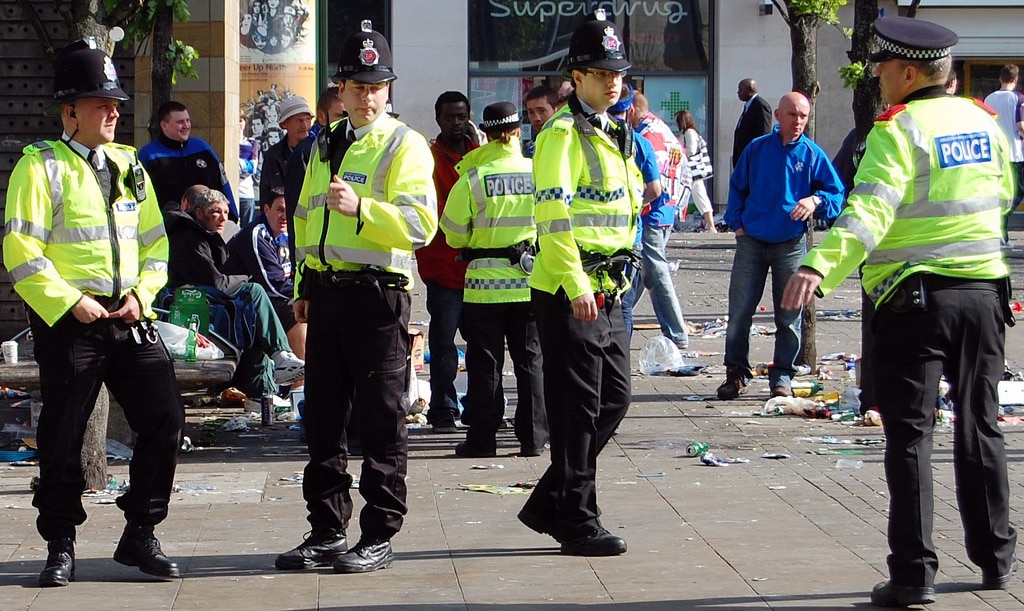
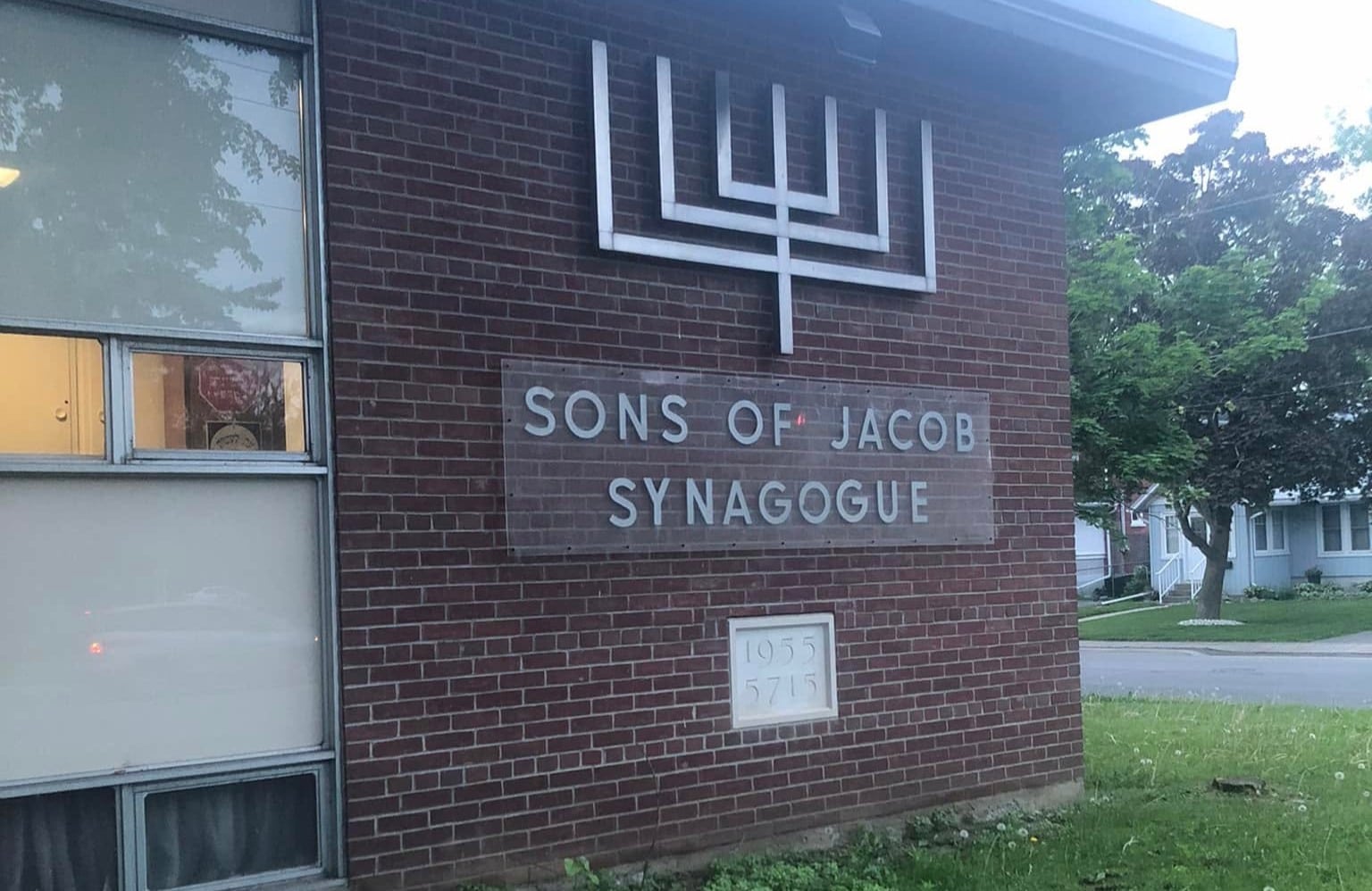
“The only houses of worship in Providence that have a police detail are our synagogues,” he says. “That is an uncomfortable reality.” Much of the wider community isn’t comfortable acknowledging it, he says. Changing that “requires regular education and the willingness to talk about it.”
“There’s no more resilient community than the Jewish community,” he says.
Has your own visibility as a convert made you a target, and if so, how has that differed from the antisemitism you’ve observed toward the wider community?
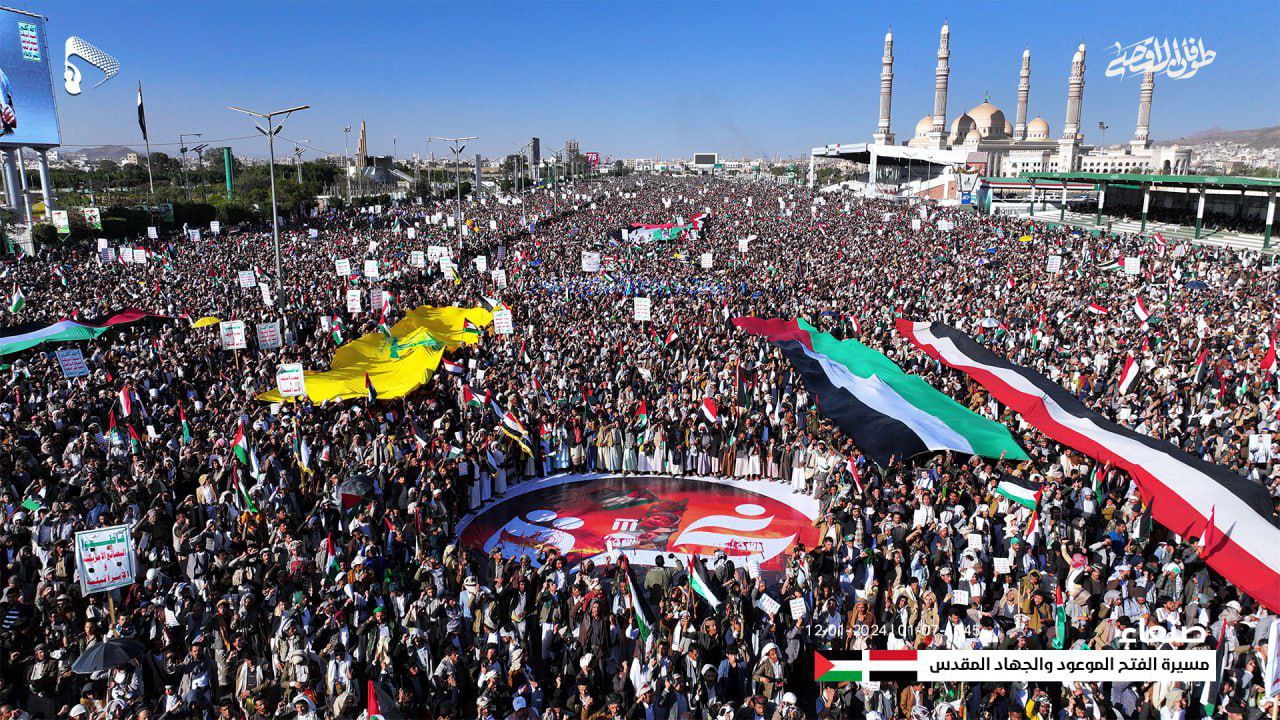
“I’ve gotten an overwhelming amount of hate online,” he says, “and there’s been protests at my house a few times as well.” He was in Israel about a year ago. “The night before I left and the day after I returned, there were protesters at my house chanting, how many babies had I killed today.” He rarely travels internationally, though he travels domestically often. “I’ve never been protested for any other trip that I’ve taken,” he says. “When you start to think about the double standard, it was very apparent and right in my face.”
How have you tried to make Providence’s observance of Jewish American Heritage Month (JAHM) genuinely meaningful for the city’s Jewish community?
Smiley has issued a mayoral proclamation marking the month every year of his tenure. “There’s a lot of conversation around safety and security, but I always feel like it’s always sort of defensive and deficit mindset based,” he says. “We also need to have an opportunity to express Jewish joy and to celebrate Jewish culture, and to proactively proclaim all of the wonderful, great cultural, community things that should be celebrated. That’s what I enjoy about these declarations, that it’s an opportunity to do the positive.”
He has marked Jewish American Heritage Month in a different location each year, choosing the venue based on where he felt it was needed most. His first proclamation was at City Hall because, he says, “the stature of the office was the right thing to do.” The following year, after October 7th, he chose Brown University Hillel “to support the Jewish college students at Brown, to show that this broader Providence community was there to lift them up.” He then moved the event to the Jewish Community Day School, which he calls “the happiest place in town.” This year, he chose the JCC. “We want to be there in support of the team.”
Providence adopted the IHRA Working Definition of Antisemitism under your leadership. Why was that important to you, and what practical difference has it made for the city?
“It’s so helpful to have a framework,” Smiley says, “because sometimes these incidents or questions can be a little boggy, or gray.” It “helps protect against saying, well, that’s just the Jewish mayor saying that’s antisemitic because obviously he’s keyed into it, or that’s the head of the Jewish Alliance saying that, but they overreact. It’s in writing. It’s an international standard. It’s not my opinion.”
He inherited an understaffed police department and has since hired many new officers. The IHRA definition is now built into cadet training from day one. “It’s one thing for people who work in this space to be familiar with it,” he says. “It’s another thing to have a young recruit who’s maybe had zero time with the Jewish community, and it gives them a framework to work with.”
What has working with CAM taught you about responding to antisemitism that you don’t think you would have learned otherwise?
“There’s not a lot of real training for mayors,” Smiley says. “We get elected, and there’s some vetting that happens through the electoral process, but then we all bring our experiences to the table, and there are lots of things we have no experience with.” For Smiley, CAM provides both a practical framework and the confidence to act. “You don’t have to be embarrassed or insecure about asking a question like, I don’t understand this, or how do I respond to something like this. They have a checklist for what municipal leaders can do to combat antisemitism. It was sort of like a to-do list. I’m like, okay, we’ll just start working on the list.”
After the antisemitic firebomb attack in Boulder, Colorado in June 2025, “the network of CAM mayors wrapped around the mayor there immediately, to show solidarity and support. It’s a little different when it’s mayor-to-mayor support. It means something more. I wouldn’t have known the mayor of Boulder if they weren’t also a member, and those connections hadn’t been made.”
You’ve described choosing to become Jewish at a particularly difficult moment. Looking back, what gives you hope about the future of Jewish life?
“It’s been a tough stretch,” Smiley says. “But I do think that out of the crisis has come a strengthening of Jewish institutions, and the creation, or at least the emergence, of strong advocates that maybe didn’t have the same mandate for change if the crisis didn’t demand it. CAM and others have really stepped up and stepped into the void.” What gives him hope, he says, “is that people are willing to step up when the moment demands it. We’re not going anywhere without a fight.”
He has spent years supporting an LGBT organization. “Our goal was to put ourselves out of business, because we’re not needed anymore, because it’s no longer interesting or difficult or stigmatizing to have an elected gay official,” he says. He says he hopes the day will come when CAM is no longer needed. “I would love to put us out of business,” he says. He doesn’t expect that soon. “But it’s good to remember that’s where we should be headed. That should be the aspiration.”
“I’ve seen institutions and leaders not shy away in this difficult moment, but rather actually stand up and do more,” he says. “That’s not people retreating. That’s people trying to stand a little taller and a little stronger. And that gives me hope.”