|
Getting your Trinity Audio player ready...
|
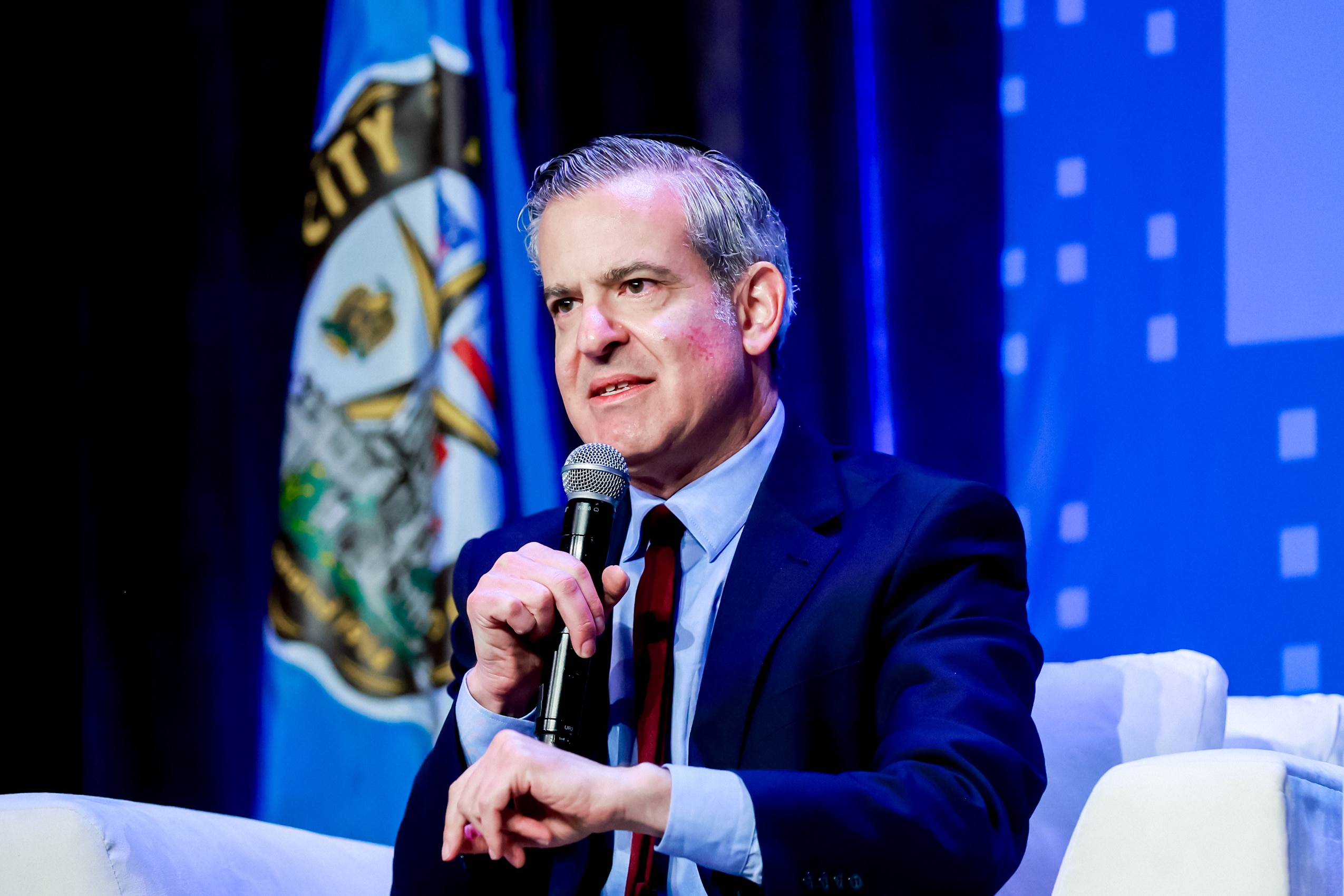
As mayor of Miami Beach since November 2023, Steven Meiner has succeeded where many other city leaders have failed in recent years. He has made Miami Beach genuinely safer for Jewish residents, at a time of rising antisemitism across the United States and globally.
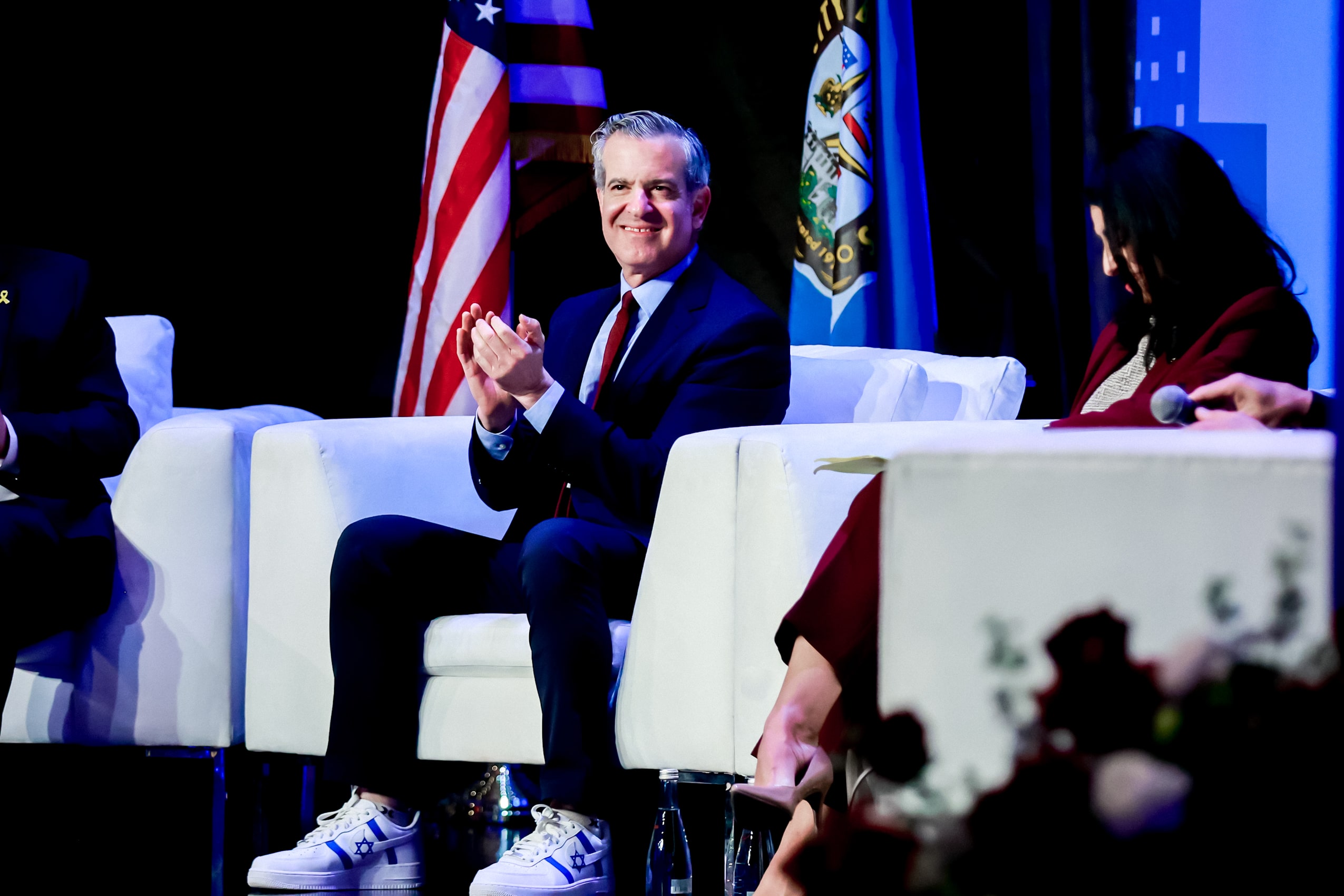
An Orthodox Jew who wears a yarmulke and displays an Israeli flag in his office, Mayor Meiner is unapologetic about his identity and his convictions.
Jewish American Heritage Month (JAHM) was established as an annual celebration of the contributions of Jewish Americans to the life and culture of the United States. This May, it also falls at a moment of profound anxiety, with the Jewish American community grappling with levels of open hostility that many believed belonged to a darker chapter of history.
Meiner, who will serve as the inaugural chair of the newly-formed Combat Antisemitism Movement (CAM) Jewish Mayors and Municipal Leaders Association, has chosen not to mark the occasion with ceremony alone. He has devoted his public service to building something more durable, a city where Jewish life is actively protected and visibly celebrated.
CAM sat down with Mayor Meiner to understand how he is doing this, and what he believes it takes to ensure that Jewish heritage is not merely remembered, but defended.
What led you to step into public life, and how much of that decision was shaped by your Jewish identity?
Meiner did not set out to become a politician. He lives in Mid-Beach, the most-heavily Jewish section of Miami Beach, and he wanted two things — more police visibility and better lighting in his neighborhood. He assumed a few phone calls and a meeting or two would be enough to make it happen.
“I’ll just reach out to the commissioners, I’ll go to some meetings,” he recalled thinking. “I thought I could just snap my fingers and make it happen. It’s not that simple.”
Instead, he ran for office, was elected commissioner in 2019, and became mayor in late November 2023, just weeks after the October 7th massacre in Israel. He has been known ever since as the “Law and Order Mayor,” and the description suits him. “My mindset, generally, is that public safety is number one. There is literally no second place,” he said. “And I’m certainly not going to back down when it involves the Jewish community.”
Miami Beach has a long and visible Jewish history. Which contributions have most shaped the city?
The community’s roots go back to Holocaust survivors who relocated to Miami Beach in the years after the war, at a time before the city had become the global destination it is today. Over the decades that followed, they built religious institutions, established a deeply Orthodox neighborhood, and eventually brought in a kollel, a full-time Torah study program, nearly two decades ago. “You had students that were paid to sit and study Torah,” Meiner said. “And that, I think, added a lot to the Orthodox Jewish community.”
That foundation is what makes the city’s current standing possible. During Israel Tech Week, held just before this conversation, Israeli CEOs from technology and finance companies descended on Miami Beach and told Meiner what they tell him every time they visit. “There’s nowhere, other than Israel, they feel as safe as coming to Miami Beach and South Florida,” he said.
Since October 7th, how have you approached the responsibility of keeping that community safe, and what has that required in practice?
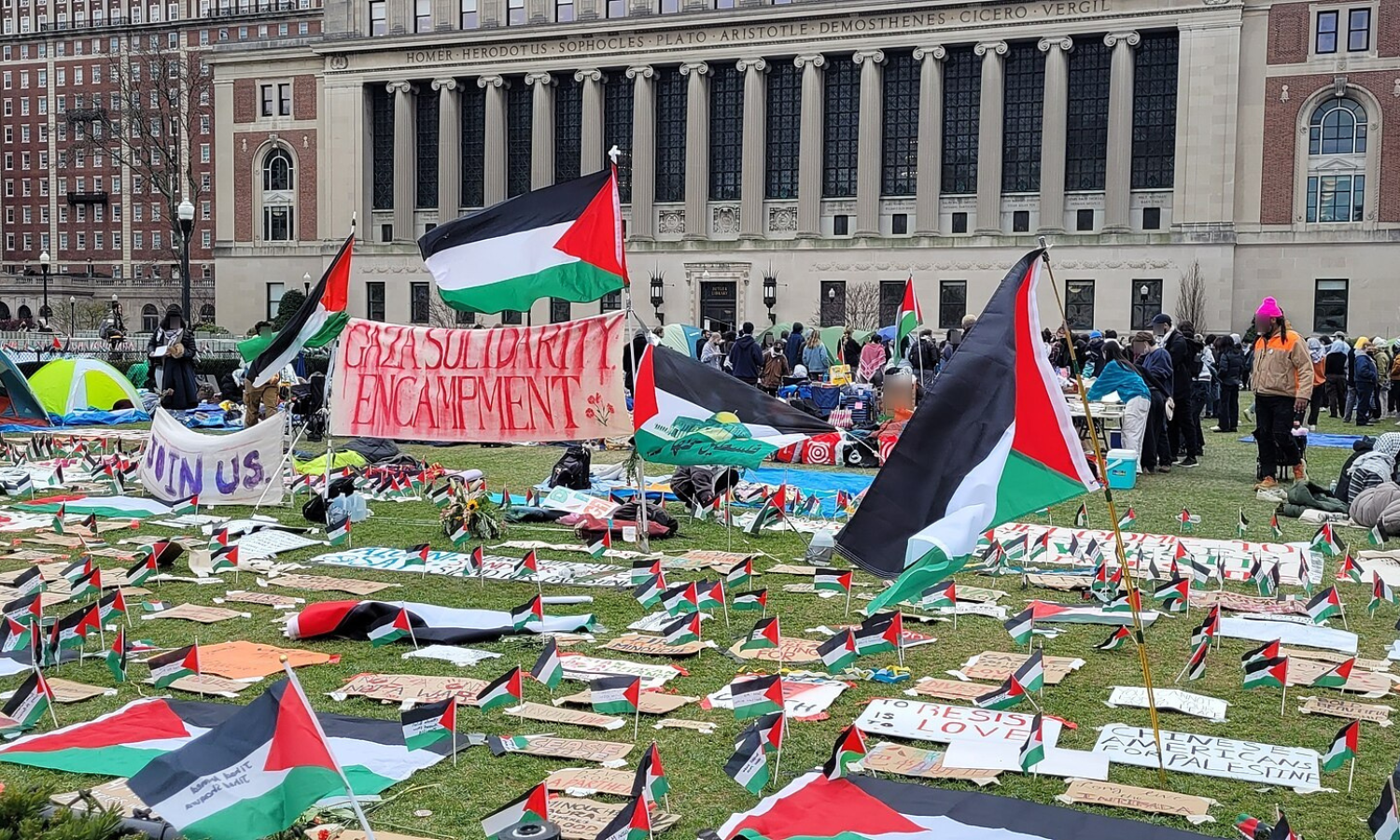
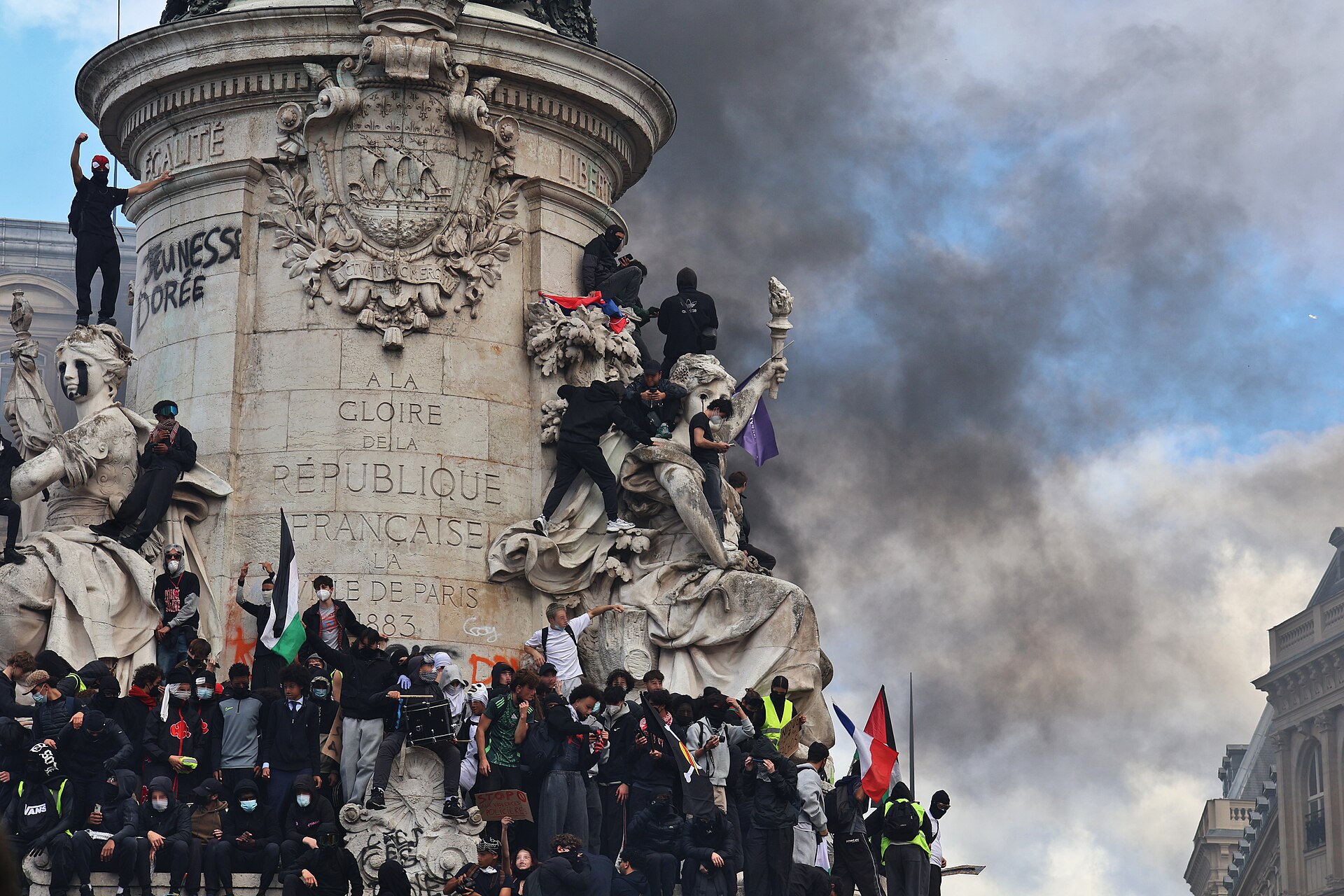
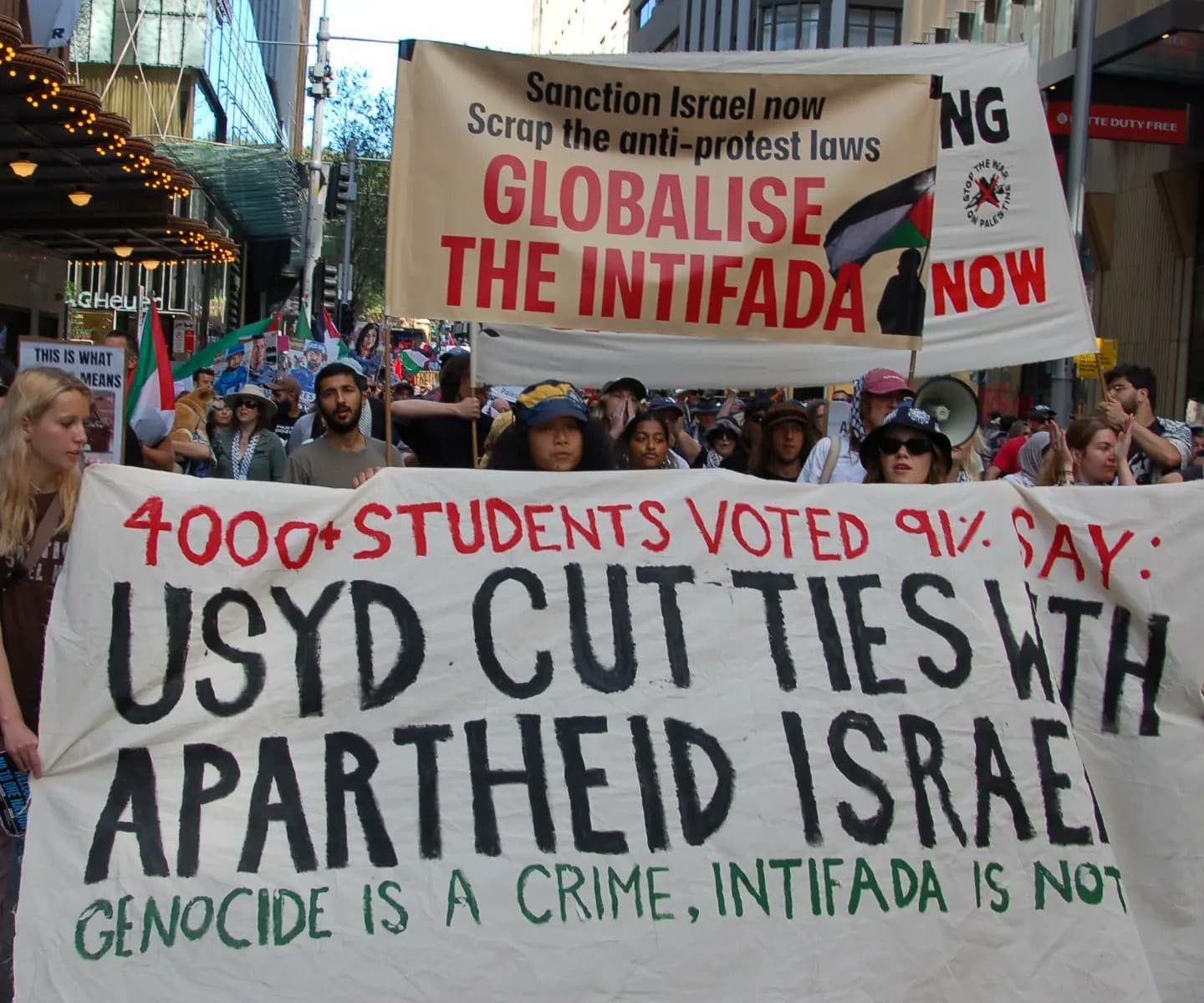
The legislation Meiner is most proud of grew out of a series of anti-Israel demonstrations that became increasingly aggressive in the months after October 7th. He is deliberate about what he calls them. “I call them pro-Hamas,” he said, “because they were carrying Hamas flags.”
Protesters had been instructed to stay in designated areas, but without physical barriers there was nothing enforcing that. Over time they grew bolder. The final straw came when a group surrounded elderly Jewish residents and screamed, “Shame on you, shame on you.”
He passed legislation requiring all protesters to remain at least 150 feet from their target venue, with mandatory barricades. Anyone who breaches the barricades will be arrested.
First Amendment advocates accused him of violating free speech rights. Even within his own police department, voices warned him the law would backfire, predicting that 5,000 protesters would show up specifically to defy it and prove a point. “I said, no, you’re going to get five people,” Meiner recalled. “Because if they can’t cause chaos and a ruckus and cause media attention, they’re not going to come. And that’s exactly what happened, they didn’t come.”
On the free speech criticism, he was characteristically direct. “Nothing could be further from the truth,” he stated. “They had their free speech, they just couldn’t do it while threatening and intimidating people. And really, that put an end to it.”
When it comes to Jewish American Heritage Month specifically, what choices have you made to ensure it reflects both the city’s history and the realities Jewish residents face today?
Miami Beach holds commemorations on October 7th, maintains strong anti-BDS legislation that has been reinforced over multiple years, and stands publicly with Israel. But for Meiner, honoring Jewish heritage means something more specific than marking dates on a calendar.
When hate crimes occur, he does not leave prosecution to chance. He calls the state attorney’s office himself to make sure charges are filed as hate crimes, appears in court to testify, and follows individual cases through to their conclusion. “Sometimes you have to flag these things,” he said. “They’ve got so much going on.”
The case that illustrates his approach most clearly involved a property crime, someone who stole an Israeli flag from a local business. It would have been easy to file a report and move on. Instead, Meiner’s police spent weeks investigating, tracked the person to Philadelphia, obtained a warrant, and prosecuted. “We send the message loud and clear that your hate against anyone, against Jewish people, is not going to be tolerated here,” he said.
The same principle extends to his conduct inside the commission chambers. At every public forum, protesters show up and make their accusations. His allies regularly advise him to let them speak and say nothing. “I said, no. Not everyone does know. You have to counter and set the narrative straight,” Meiner emphasized. “It gives me the forum to explain, even in a short version, what’s really happening in Israel and the Middle East.”
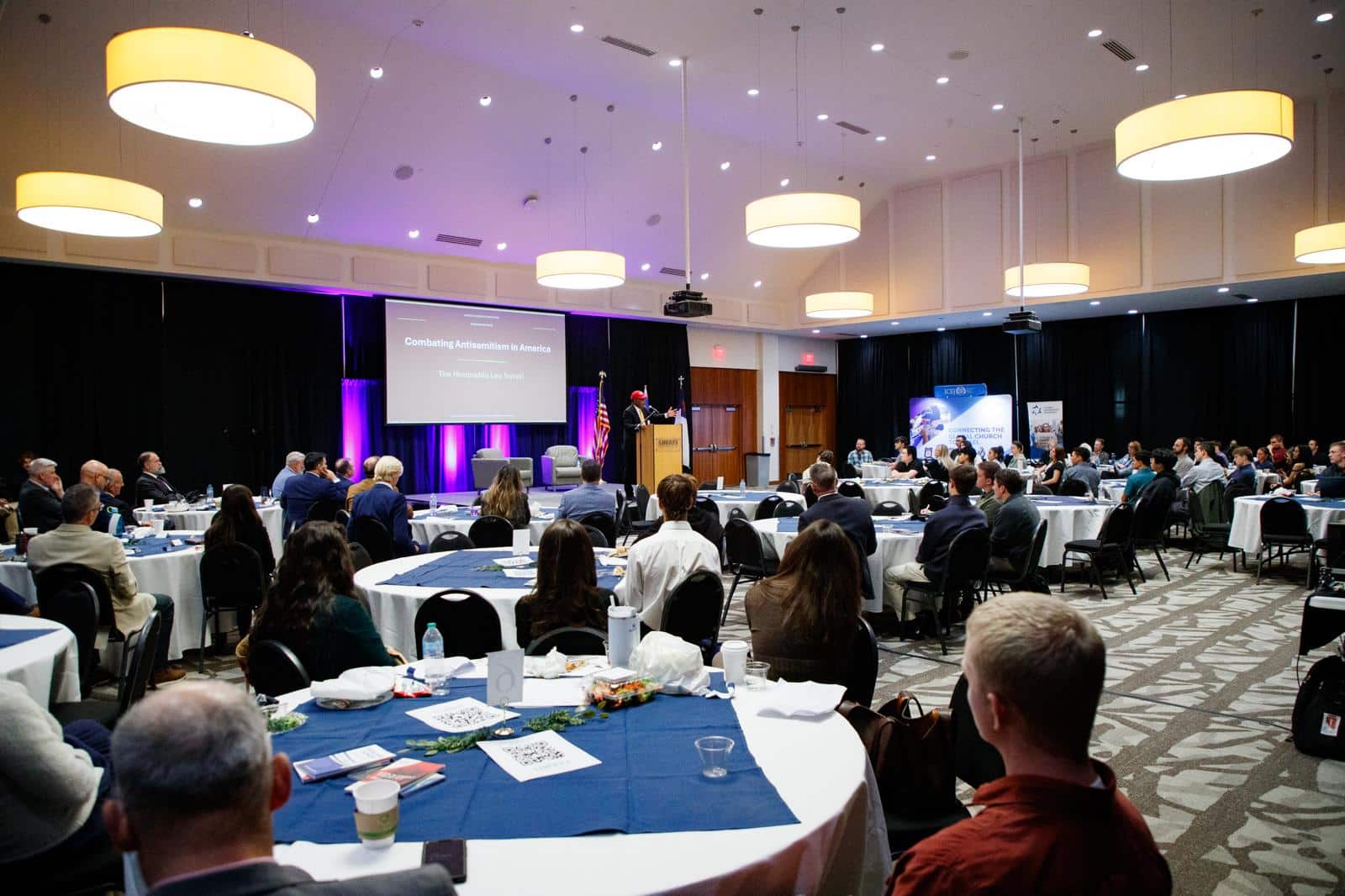
Through CAM’s Mayors Summits Against Antisemitism, city leaders are exposed to concrete strategies for confronting hate at the municipal level. What has that engagement meant for your approach?
Meiner attended CAM’s 2024 North American Mayors Summit Against Antisemitism in Beverly Hills, California, and one idea, in particular, has stayed with him since . The fight against antisemitism cannot be waged in isolation.
“Right now, antisemitism is obviously the hot-button issue,” he said. “But there are other groups. Black Americans have gone through difficult periods. Really coalescing everyone, I think that’s one of the beauties of this new association.”
The Jewish Mayors and Municipal Leaders Association, which he will chair, is built on the premise that Jewish communities have more allies than they realize, and that building genuine reciprocal relationships with those communities is both the right thing to do and a practical necessity.
“Unfortunately, we hear the loud voices that are the negatives,” he said. “But we do have a lot of allies, and if we can work together with them, help them with their causes and they can help us with ours, that’s the goal.”
At a time of rising antisemitism, what does it take to ensure that Jewish American Heritage Month remains meaningful rather than diminished?
Meiner tries to look at the positive, though what has unfolded since October 7th has surprised him. Anyone who reads history knows that antisemitism comes back. What caught him off guard was how openly.
“The open, in-your-face, not-even-trying-to-hide-it has surprised me,” he said. “But not the antisemitism.”
What has given him genuine optimism is something he sees everywhere he goes, among the religious and secular, liberal and conservative, in communities that differed sharply before October 7th on Israeli government policy but now share something more fundamental.
“I really don’t hear anybody in the Jewish community now blaming Israel,” he said. “They may not agree with certain policies, but that’s democracy. The overall arching Zionism, believing that Israel has a right to defend itself, I see that universal in the Jewish community.”
He spoke near the end of the conversation about two Jewish political figures he knows personally, neither of them religious, who began wearing yarmulkes after October 7th, not out of observance, but because they wanted to be identified.
“I say, why do you wear it?” Meiner recalled. “And they say, because I want people to know I’m Jewish.”
They don’t keep Shabbat. They don’t keep kosher. But they put on the yarmulke after October 7th and have worn it since.
“There’s a lot of pride in who we are, what we stand for,” Meiner said. “We’re not gonna back down. We’re not going anywhere.”