|
Getting your Trinity Audio player ready...
|
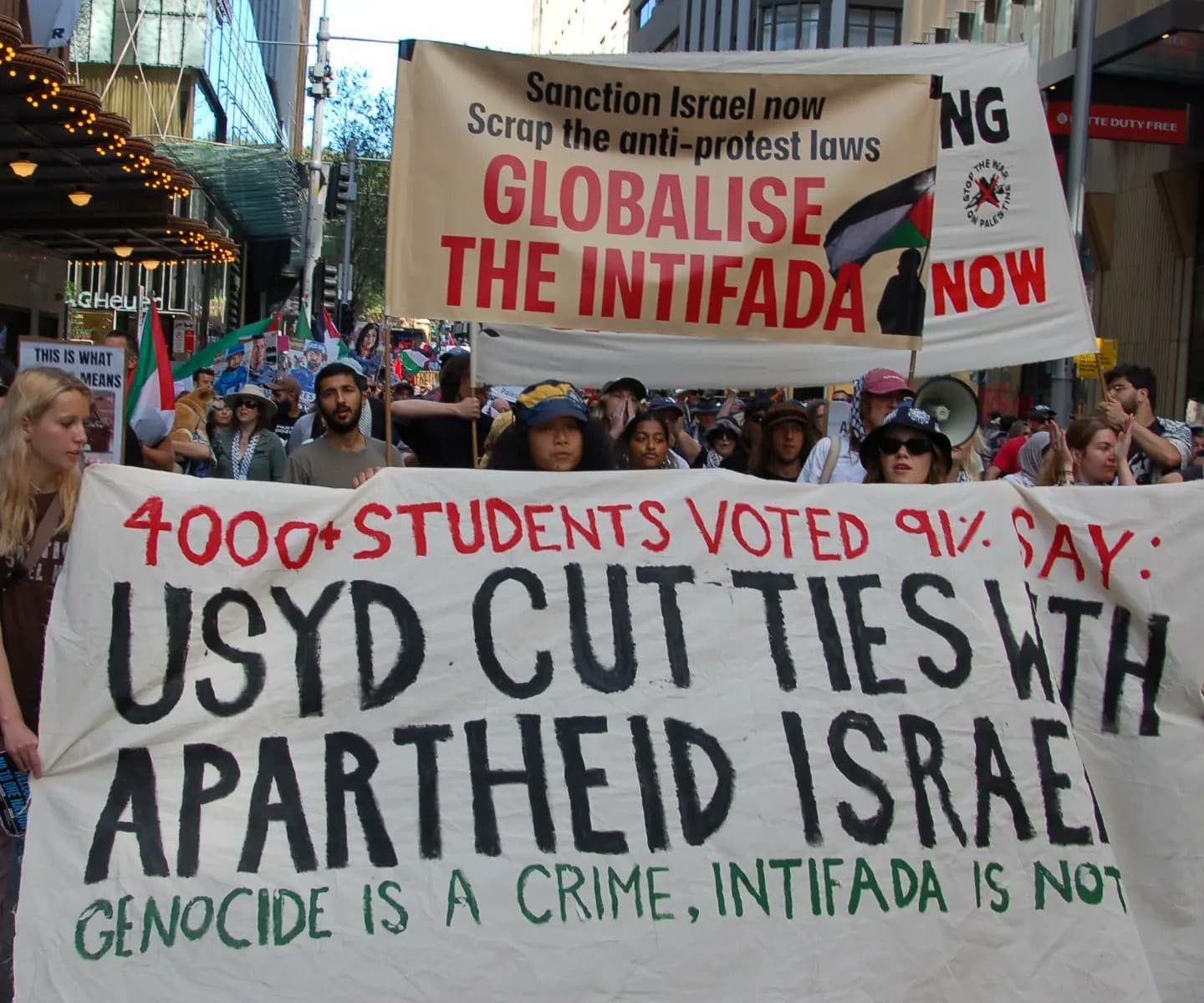
This article is part of the Combat Antisemitism Movement’s series on “Globalize the Intifada.” For the full analysis of the slogan’s origins, ideology, and real-world consequences, see the pillar page.
The meaning of “Globalize the Intifada” is inseparable from the history it invokes. The Arabic word “intifada” literally translates as “uprising” or “shaking off.” In contemporary political usage, it refers to two named campaigns of organized violence that deliberately targeted Israeli civilians through mass-casualty terror attacks.
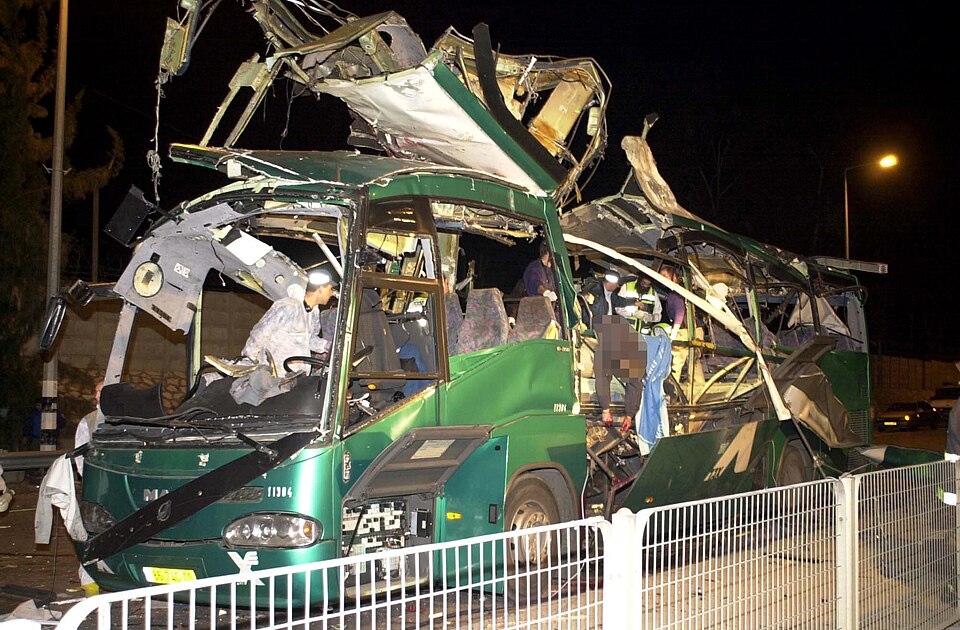
In practice, the intifadas were defined by coordinated waves of stabbings, shootings, and suicide bombings that deliberately targeted Jews on buses, in restaurants, markets, hotels, and other everyday public spaces. To demand the globalization of the intifada is therefore to call for the export of this model of violence — its tactics, its logic, and its targeting of Jews — beyond Israel and into Jewish life worldwide.
The intifadas were marked by more than bloodshed. They imposed a sustained climate of fear in which Israelis lived with daily uncertainty over whether routine activities would turn deadly. The call to “globalize” the intifada seeks to export that reality, transforming Jewish communities worldwide into targets of the same terror and intimidation.
The First Intifada: Origins, Tactics, and Impact (1987-1993)
The First Intifada began in December 1987 after local unrest in Gaza was rapidly inflamed through incitement. In the days preceding the uprising, Palestinians murdered an Israeli civilian, Shlomo Sakal, while he shopped in Gaza. Shortly afterward, an Israeli truck was involved in a traffic accident that killed four Palestinian laborers from Jabaliya. Within hours, false rumors spread through mosques and neighborhoods claiming the crash was a deliberate act of revenge. These claims fueled mass incitement, and violence escalated rapidly.
The First Intifada is often portrayed as a largely popular uprising. In reality, violence defined the period from its earliest stages. Palestinian factions carried out Molotov cocktail attacks, grenade assaults, and shootings, using firearms and explosives against both Israeli civilians and security forces. Approximately 200 Israelis were killed and many more were wounded.
Internal Violence and the Rise of Hamas
At the same time, the unrest unleashed systematic violence within Palestinian society itself. Internal killings became a defining feature of the period. Palestinian factions executed nearly 1,000 people accused of collaborating with Israel, frequently without credible evidence. Victims were stabbed, shot, clubbed, burned with acid, or hacked to death with axes. Contemporary reporting and later analyses indicate that, in many cases, accusations of collaboration served as a pretext for settling personal, political, or clan disputes rather than reflecting genuine cooperation with Israeli authorities.
PLO chairman Yasser Arafat later acknowledged that innocent Palestinians were among those killed and retroactively designated them “martyrs of the Palestinian revolution,” effectively legitimizing the violence after the fact.
During the First Intifada, Hamas emerged as an organized Islamist alternative to the PLO. Founded on the infrastructure of the Muslim Brotherhood in Gaza, the movement declared its commitment to armed struggle and positioned itself explicitly against both Israel and the PLO’s leadership. Drawing on mosque-based institutions and affiliated religious frameworks in Gaza and the West Bank, Hamas strengthened its organizational foothold during the uprising. Although it remained secondary to Fatah for much of this period, the Intifada enabled Hamas to consolidate structure, credibility, and influence, laying the groundwork for its later challenge to PLO dominance.
The Second Intifada: Suicide Bombings and Mass Terror (2000-2005)
The Second Intifada, also known as the Al-Aqsa Intifada, erupted in September 2000 and quickly became one of the deadliest terror campaigns in Israeli history. Many initially portrayed the uprising as a spontaneous reaction to then-Israeli Prime Minister Ariel Sharon’s visit to the Temple Mount. However, senior Palestinian Authority officials later admitted that they had planned the violence in advance. In early 2001, PA Information Minister Imad Falouji confirmed this publicly. Fatah leader Marwan Barghouti later described how senior figures coordinated mobilization across the territories.
The uprising did not emerge from spontaneous unrest. Instead, Palestinian factions organized a sustained campaign of mass violence and psychological warfare. They directed terror at Israeli civilians as both a strategic objective and a tool of political pressure.
Suicide Bombings and the Assault on Civilian Life
Suicide bombings soon became the defining tactic of the Second Intifada. Terror groups targeted buses, restaurants, markets, nightclubs, hotels, and shopping districts. They deliberately chose crowded locations central to daily life. As a result, the attacks aimed to maximize civilian casualties and destroy any sense of public safety. Terror groups murdered more than a thousand Israeli civilians, including men, women, and children, and wounded thousands more.
Several attacks became seared into national memory. During Passover 2002, a Hamas bomber entered the Park Hotel in Netanya and murdered 30 people, injuring 140 others. In June 2001, a suicide bomber killed 21 teenagers outside Tel Aviv’s Dolphinarium discotheque. Two months later, another bomber detonated inside Jerusalem’s Sbarro pizzeria, killing 16 people, including seven children, and injuring more than 130.
Daily life during the Second Intifada reached a level of danger unprecedented in Israeli history. Ordinary errands could become fatal miscalculations. Boarding a bus, stopping for lunch, walking through a market, celebrating a holiday, or dropping children off at school required constant vigilance. No place felt reliably safe, and no routine could be trusted. The campaign deliberately targeted the rhythms of civilian life. As a result, Israelis moved through each day knowing a single moment could determine whether they lived or died.
Let’s talk about the Intifada. pic.twitter.com/cW9ZkzgMKC
— Combat Antisemitism Movement (@CombatASemitism) June 5, 2025
Why the Phrase ‘Globalize the Intifada’ Cannot Be Separated From Terror
The organizations that launched the campaign in 2021 chose that word deliberately. They knew it invoked years of suicide bombings, shootings, stabbings, and attacks targeting Jewish civilians — carried out by terror organizations that celebrated every attack as they planned the next one.
For survivors of bus bombings and café attacks, for their families, and for Jewish communities worldwide that watched on television, the call to “globalize the intifada” is not a political slogan. It is an explicit threat to replicate the worst years of their lives to Jewish communities everywhere.
Continue Reading:
- The Organizations Behind ‘Globalize the Intifada’ and the Campaign to Target Israel and America
- The Terror Network Behind ‘Globalize the Intifada’
- ‘Globalize the Intifada’ on Campus: How the Slogan Became a Weapon Against Jewish Students
- Synagogues Under Siege: ‘Globalize the Intifada’ at Synagogue Doors
- Zohran Mamdani: When ‘Globalize the Intifada’ Reaches Elected Office
- The Bondi Beach Hanukkah Massacre: When ‘Globalize the Intifada’ Became Reality
- Cultural Incitement: How ‘Globalize the Intifada’ Entered Music, Fashion, and Art